Edwin Gil Edwin Gil

Vibration: The Frequency Of The Heart

A Reflection on Vibration, Music, and the Energy That Shapes Us

Encuentra la versión en español al final de esta página.

January 2026
Written by Edwin Gil

This reflection is a continuation of my previous blog, The Magic Was Never Lost. It comes from the same place—my heart—but it moves through a different doorway: vibration.

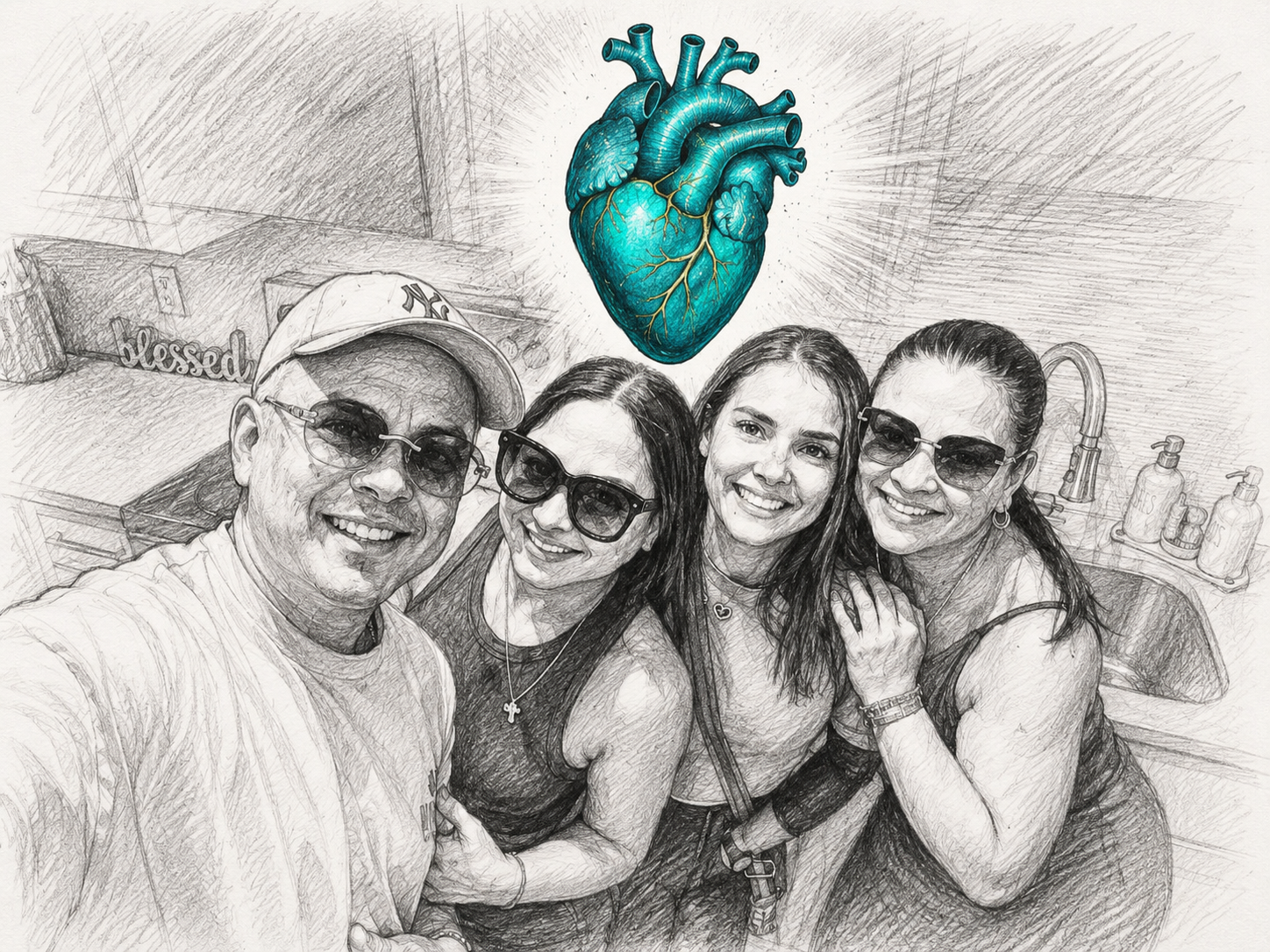
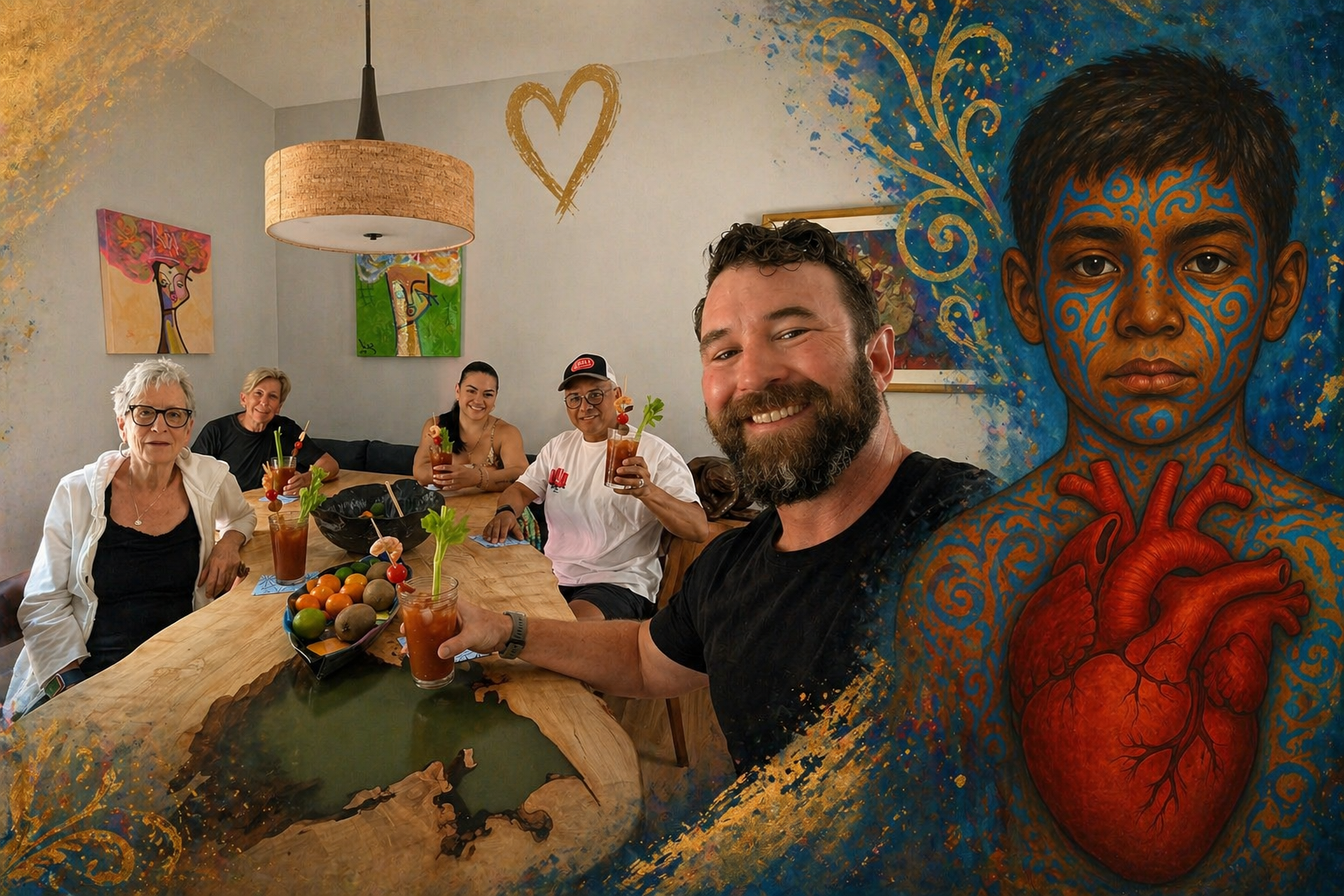
A few weeks ago, I gathered with my sister and two dear friends, Jenny and Taylor, for something simple and deeply meaningful: creating vision boards for the year ahead. There was soup on the stove, wine on the table, charcuterie scattered between laughter, stories, memories, and pauses. Each of us, in our own rhythm, began cutting images and words, slowly shaping our intentions for 2026.

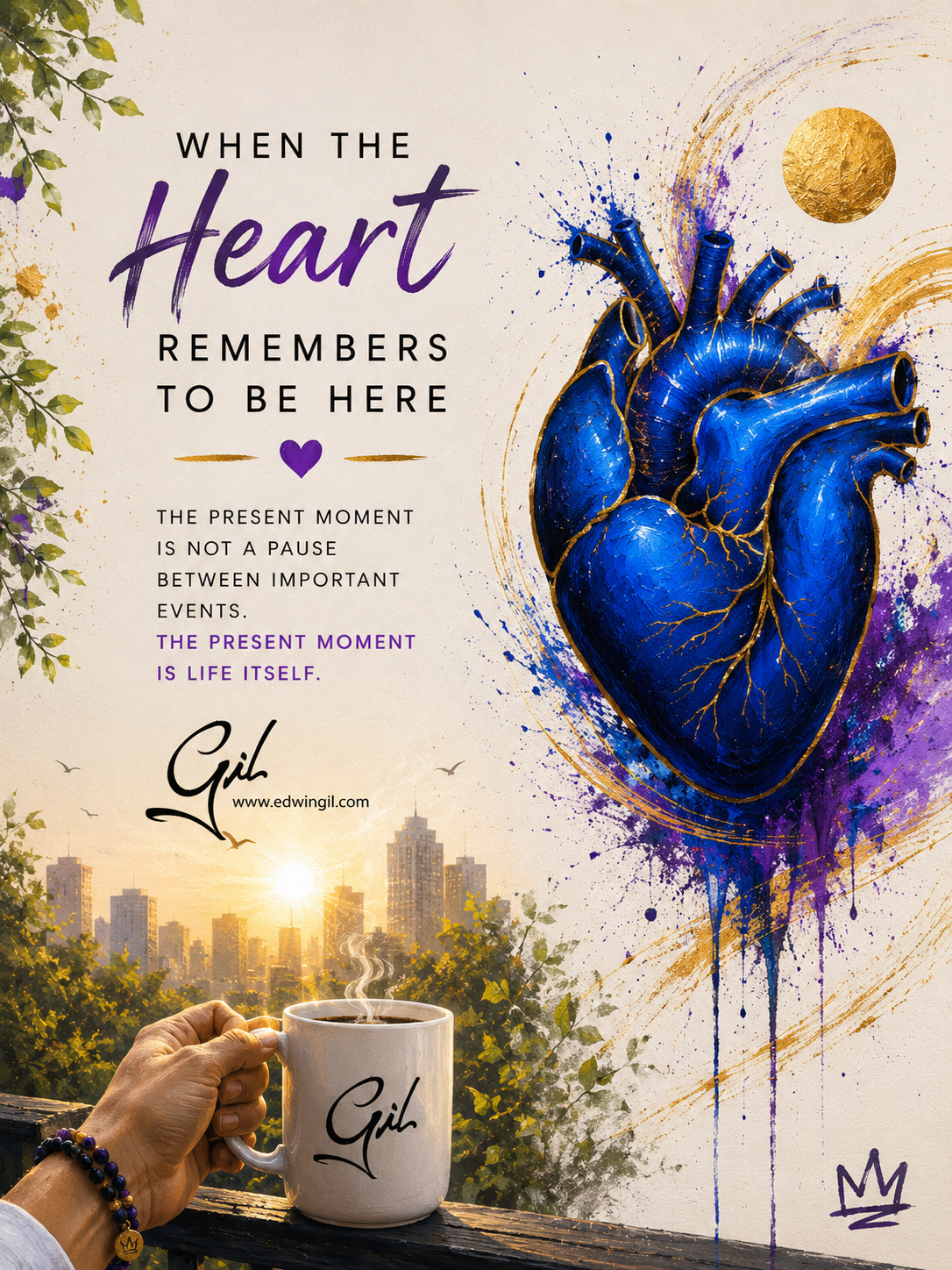
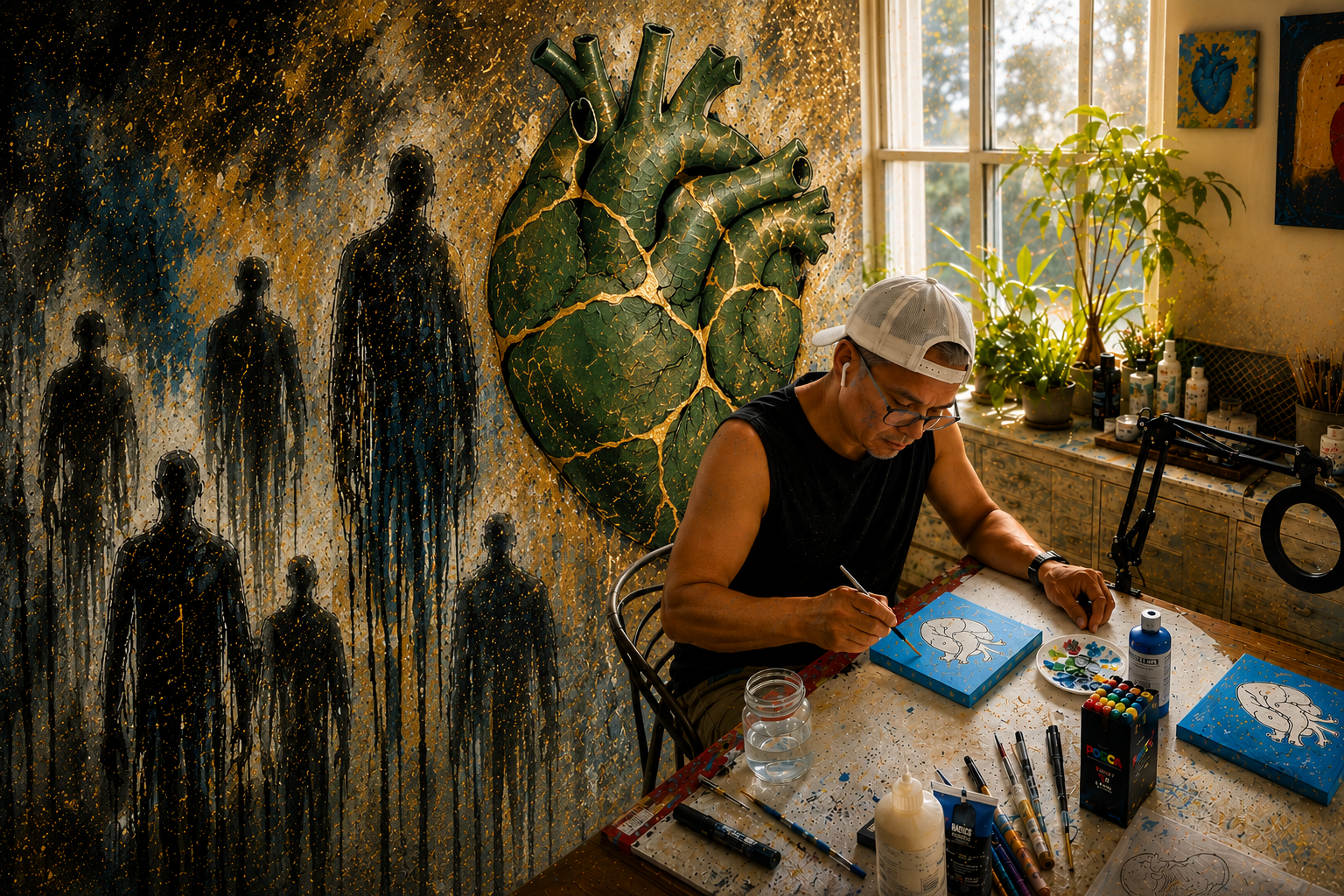
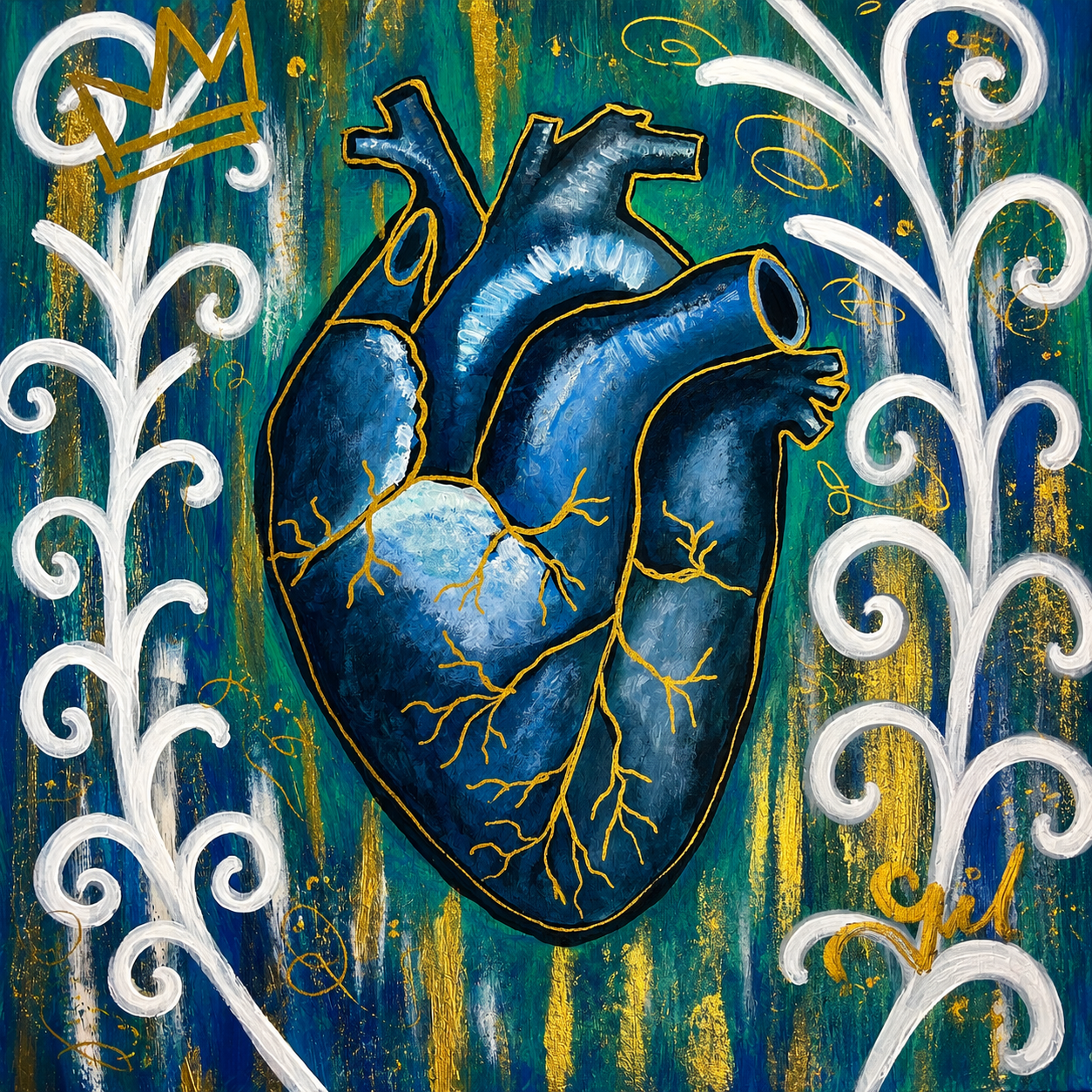
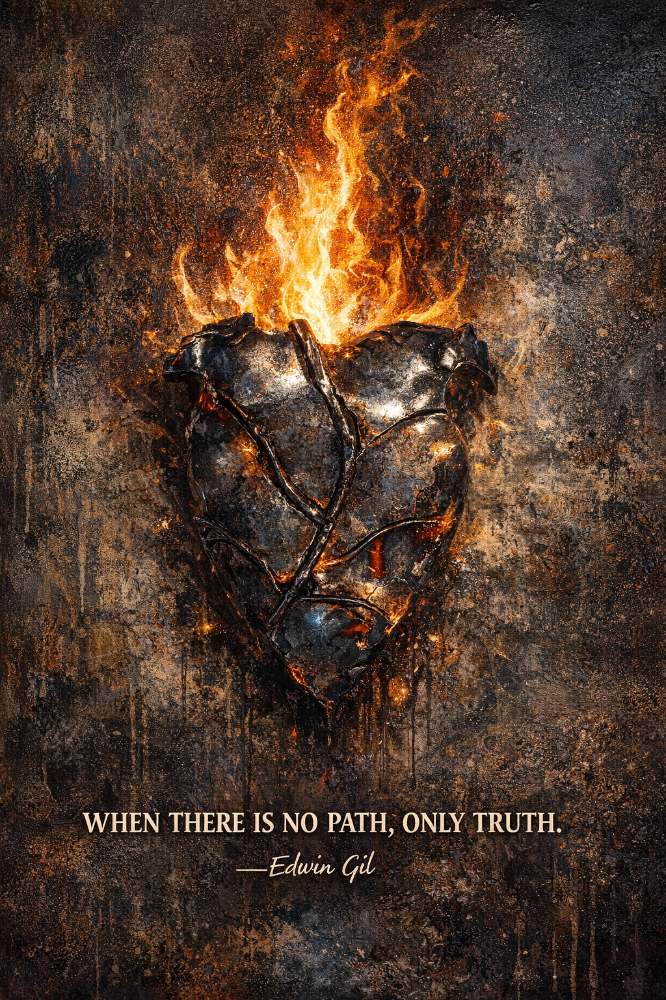
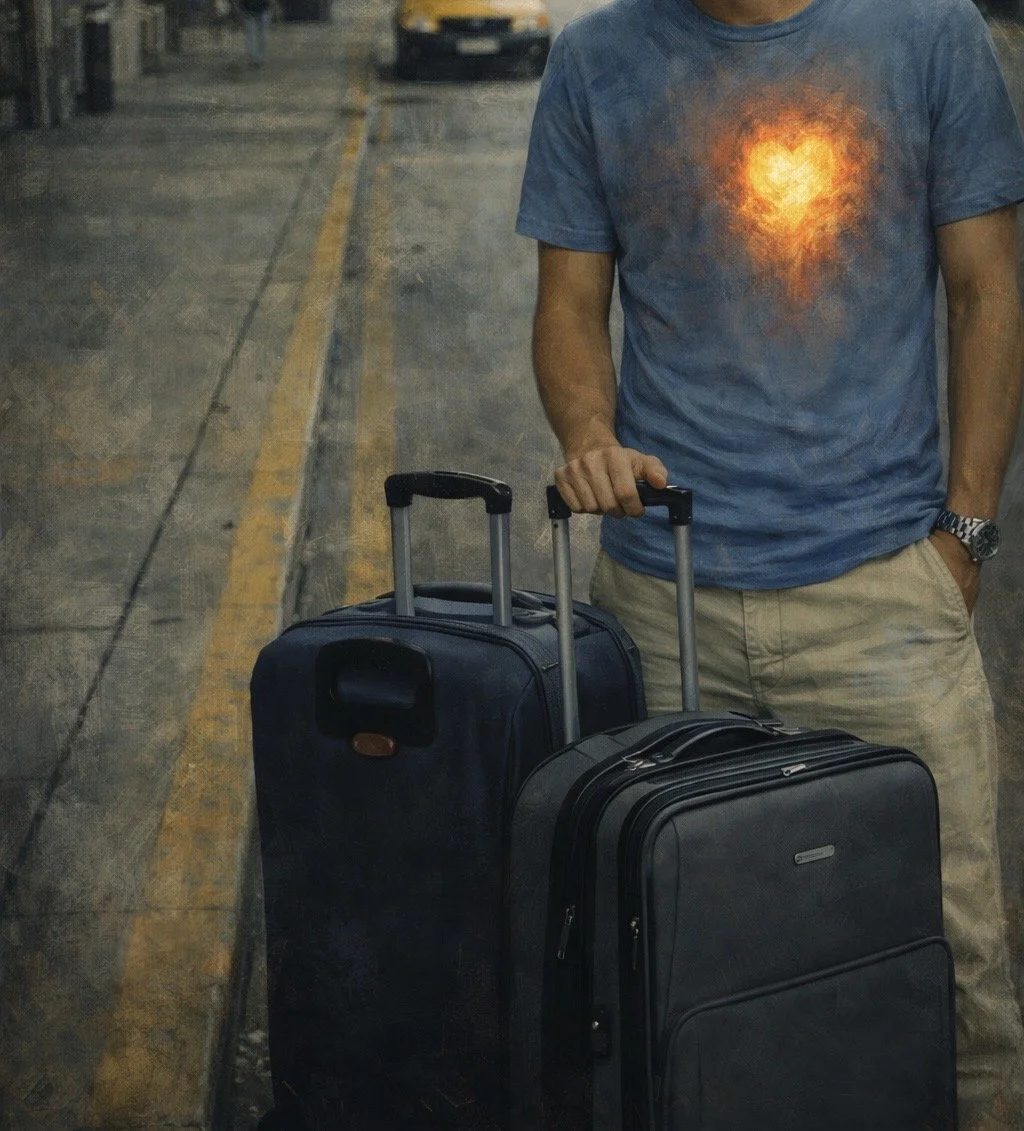
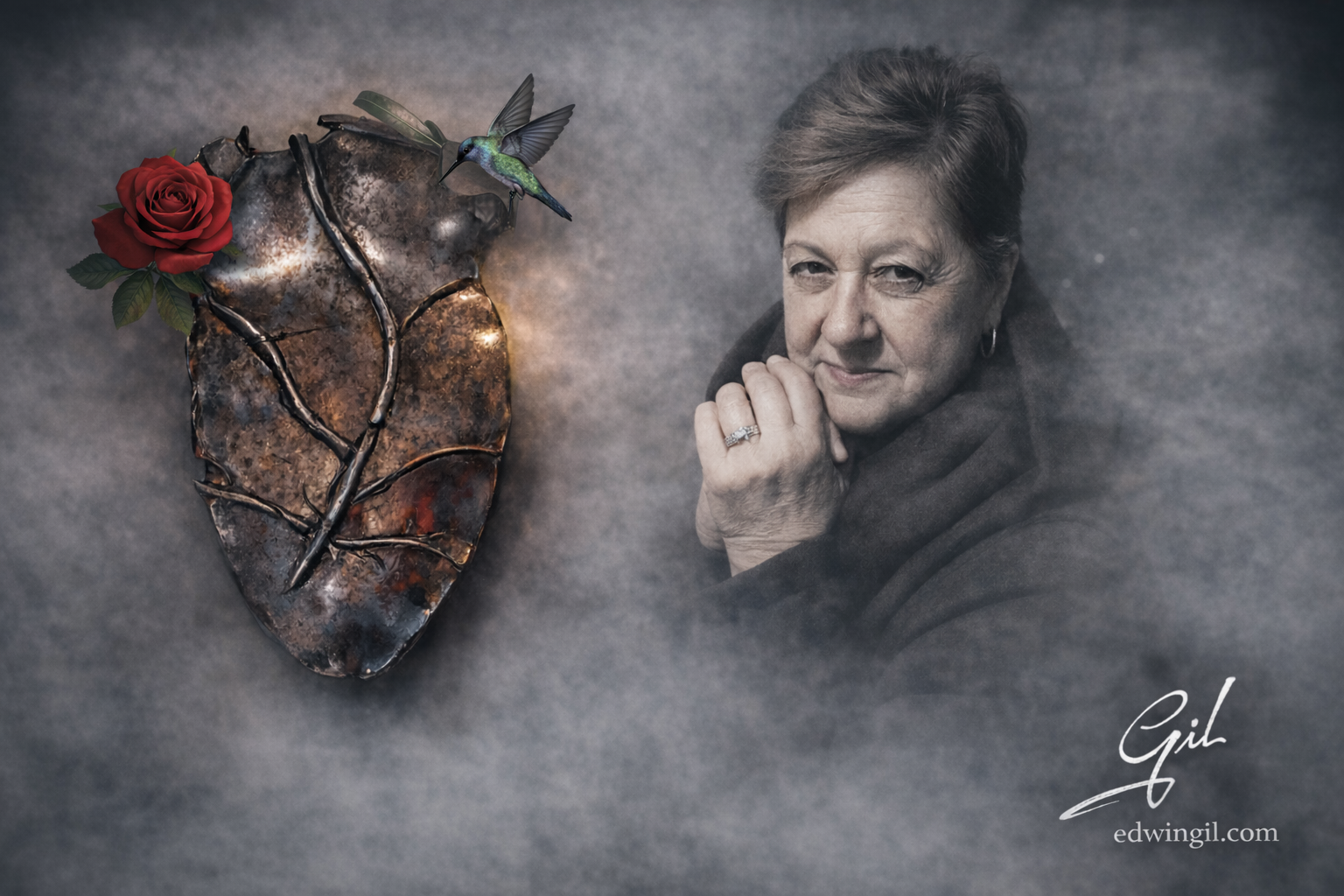
As I built mine, it became clear—almost inevitable—that it was once again connected to the heart. Not just as a symbol, but as a living presence. An organic form. A pulse. A rhythm.

And as I sat with it, one word rose above the rest, not from my mind but from my body:

Vibration.

Why vibration?

Because I have always believed in human energy and in the frequencies we emit, even before I fully understood them. Today, more than ever, I see myself vibrating differently. I feel it. I notice how new experiences, new people, and new ways of living are being drawn into my life. I am allowing myself to explore other vibrations—other ways of being—and in doing so, I am beginning to understand something profound:

There are entire worlds within each frequency.

When I think about vibration, I remember Edwin in his twenties. Back in Medellín, while studying Business Administration at UPB, I was discovering nightlife for the first time. I danced to Latin music, surrounded by friends, stories, and long nights that felt infinite. I remember places like Templo Antonia, on 10A, where one night I began to hear a different rhythm—what we used to call chis pun, chis pun.

What we now call electronic music.

Later came other spaces—Plataforma, and others whose names have faded but whose sensations remain. At the time, I didn’t pay much attention to it. I just knew it made me feel different. It made my body vibrate in another way. Looking back, I realize that even then, I was already tuning into another frequency.

But that Edwin vibrated very differently than the Edwin I am today.

Life unfolded. Nights blurred into stories, stories into memories. And eventually, I found myself in Charlotte—another country, another chapter, another life. It was here, through my family, that electronic music returned to me in a new way. In my family, the story goes that my sister Yuliana used to listen to Tiësto and other DJs when she was young. She would fall asleep with electronic music playing, fully immersed in that vibration.

That passion became contagious. My nephews grew up surrounded by that sound. And somehow, without planning it, they became my guides. They introduced me to new artists, new experiences, and eventually, we found ourselves attending concerts together—creating memories that now live permanently in my heart.

I share this story not to justify a love for electronic music, but to speak about vibration.

Music is energy. Sound is frequency. And frequency shapes us.

Every song we listen to, every space we inhabit, every person we allow close—each one influences our internal state. Some vibrations expand us, heal us, lift us. Others drain us, confuse us, or pull us away from ourselves. Often, we don’t even realize it’s happening.

But our bodies know.

Our hearts know.

When we vibrate at a higher frequency—through music, art, love, authenticity, and truth—we begin to attract different realities. Not because of magic, but because energy responds to energy. The more aligned we are with who we truly are, the clearer our path becomes.

This reflection is an invitation.

An invitation for each of you to find that outlet—that frequency—that makes your heart vibrate at its highest level. Because life is one. And you have the power to choose the vibration in which you live.

Choose what nourishes you. Choose what awakens you. Choose what reminds you that your heart is alive.

Thank you for reading my blog and for vibrating with me in this very personal process on this planet.

With gratitude,

Edwin Gil

This blog is dedicated to all the DJs I’ve met who—consciously or not—have touched my heart and elevated my energy.
Thank you for sharing your vibration, for reminding me that music also heals, connects, and awakens.
Sandy, Pharro, Cesar, Ian Kingston Smith, Oba, Fabz, Ariel, Kike, Nikko, Vitcon, Keysmord, Gangstarz, Roble, Kay, Johnny, Maz, Elderbrook, Berin, Keinemusik, Black Coffee, Pablo Fierro, Haty Valencia, Âme, Rüfüs Du Sol… Luca Momento.
and all the others who have made my heart beat at a higher frequency.

Thank you for the vibration. ✨🎶

Vibrar: El Latido que nos Guía

A Reflection from the Heart


Enero 2026
Por Edwin Gil

Este texto nace como una continuación natural de The Magic Was Never Lost. No como una respuesta, sino como un pulso que sigue latiendo.

Hace unas semanas me reuní con mi hermana y con dos grandes amigas, Jenny y Tailor, para hacer algo que, aunque sencillo, se convirtió en un acto profundamente simbólico: crear nuestros vision boards para este nuevo año, 2026.

Entre sopa caliente, vino, una tabla de charcutería, risas y muchas historias compartidas, cada una de nosotras comenzó a recortar imágenes, palabras y símbolos. No estábamos planeando desde la mente; estábamos escuchando desde el cuerpo, desde la intuición.

El mío, inevitablemente, terminó girando alrededor del corazón.

No como una forma romántica, sino como un organismo vivo. Como un centro de energía. Como un latido que marca el ritmo interno de quién soy y hacia dónde me muevo. Y fue ahí, casi sin darme cuenta, que apareció una palabra que se quedó conmigo:

Vibración.

¿Por qué vibración?

Siempre he creído en la energía humana y en su capacidad de vibrar. Pero hoy, más que nunca, me observo a mí mismo vibrando distinto. Atrayendo otras posibilidades de vida. Permitiéndome explorar nuevas frecuencias y entendiendo que existen mundos completamente diferentes según la vibración en la que decidimos habitar.

Cuando pienso en vibración, inevitablemente regreso a mi juventud.

Recuerdo a Edwin en sus veintes, en Medellín, cuando aún estudiaba Administración en la UPB. Después de conocer la vida nocturna, bailaba al ritmo de la música latina. Y fue en un lugar llamado Templo Antonia, en la 10A, donde empecé a escuchar otro ritmo. En ese entonces lo llamábamos chis pum chis pum. Hoy lo llamamos música electrónica.

Era una vibración distinta. Algo que me movía por dentro de otra manera. Luego llegaron otros lugares —Plataforma y muchos más cuyos nombres se perdieron en el tiempo— y aunque en ese momento no le di mayor importancia, es claro ahora que yo ya estaba vibrando en otra frecuencia.

Pasaron muchas noches. Muchas historias. Muchos aprendizajes.

Hoy me encuentro en Charlotte, en otra etapa de la vida, en otra vibración. Y curiosamente fue mi familia quien me llevó de regreso a la música electrónica. En casa siempre se cuenta que mi hermana Yuliana escuchaba a Tiësto y otros artistas cuando era joven, y que incluso se dormía con esa música. Esa vibración fue tan fuerte que terminó contagiando a mis sobrinos.

Ellos, sin saberlo, se convirtieron también en mis maestros.

Gracias a ellos he ido a conciertos, he creado recuerdos, he vivido momentos que hoy guardo con profundo agradecimiento. No cuento esta historia para justificar una pasión musical, sino para hablar de algo más profundo:

la vibración.

La música es energía. Y como toda energía, puede elevarnos o hundirnos. Puede sanarnos o desconectarnos. Todo depende de la frecuencia desde la que se crea y desde la que se recibe.

Hay sonidos que nos expanden el pecho. Otros que nos contraen.

Hay vibraciones que nos acercan al corazón y otras que nos alejan de él.

La invitación —y la reflexión profunda— es a observar con honestidad: ¿en qué frecuencia estás vibrando? ¿Qué música, qué relaciones, qué pensamientos están moldeando tu energía diaria?

Este blog es una invitación a que cada uno de ustedes encuentre ese ancla, ese ritmo, ese latido que los haga vibrar en su frecuencia más alta.

Porque la vida es una. Y tú tienes el poder de decidir en qué frecuencia vive tu corazón.

Gracias por leerme. Gracias por vibrar conmigo en este proceso individual dentro de este planeta.

— Edwin Gil

Este blog está dedicado a todos los DJs que he conocido y que, consciente o inconscientemente, han tocado mi corazón y elevado mi energía.
Gracias por contagiarme con su vibración, por recordarme que la música también sana, conecta y despierta.
Sandy, Pharro, Cesar, Ian Kingston Smith, Oba, Fabz, Ariel, Kike, Nikko, Vitcon, Keysmord, Gangstarz, Roble, Kay, Johnny, Maz, Elderbrook, Berin, Keinemusik, Black Coffee, Pablo Fierro, Haty Valencia, Âme, Rüfüs Du Sol… Luca Momento
y a todos los demás que han hecho latir mi corazón en otra frecuencia.

Gracias por la vibración.

Read More
Edwin Gil Edwin Gil

The Magic Was Never Lost

Encuentra la versión en español al final de esta página

A Reflection from the Heart

January 22, 2026
By Edwin Gil

This week, I had a conversation with my sister that stayed with me—circling quietly inside my heart.

She shared something deeply revealing. She told me that many people—many who know me—feel admiration for who I am, for my artistic work, for the energy I carry. And yet, some of those same people have said that at one point in my life, there was someone who made me doubt all of that.

In my desire to change, to explore other ways of living and being, I seem to have lost something essential: the magic.
And I lost it not because it disappeared—but because I stopped believing in myself. I questioned who I was. When that inner flame dimmed, a deep internal conflict began. I started questioning everything.

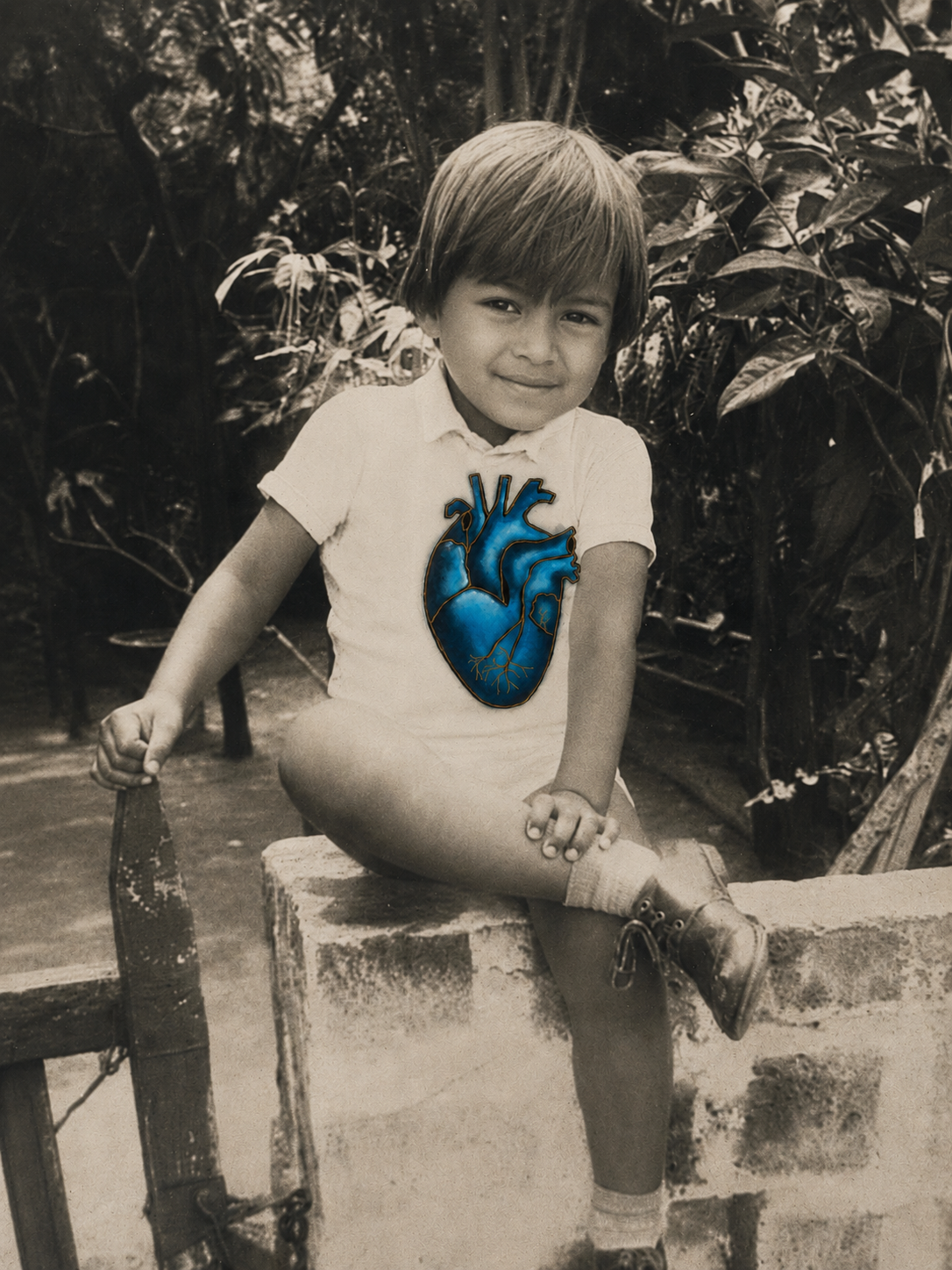
From a very young age, I’ve always seen life differently. It wasn’t taught or imposed—it was intuitive. I’ve always experienced the world from another place. Over time, I came to understand that part of this perspective was shaped by the rejection I experienced from my father. Today, there is no anger, no resentment, no unfinished business. But words spoken to a child don’t disappear. I remember hearing, again and again, that I would never amount to anything. That I wouldn’t go anywhere.

Perhaps that is why my inner struggle became about proving the opposite. Proving that despite poverty, despite everything stacked against me, I could become someone. I wanted to be seen. I wanted to be recognized. I wanted the world to know who I was.

Later, I entered a relationship at a very young age. There was recognition then too—of my charisma, my way of being—but still, I remained in the shadow of someone else.

When I arrived in the United States, after having lost so much, I began working on myself. Not consciously at first, but deeply. I was healing. And I found refuge in art. That’s where the innocent, naïve, and pure magic transformed into something beautiful. A magic that didn’t just help me heal childhood wounds, loss, and many other chapters—but allowed me to use art as a bridge: to connect, to build community, to speak about the importance of healing the past.

Life continued. And like any human being, I went through processes. Moments where I doubted that talent, that magic. I explored other territories trying to understand who I am. And in that search, I lost myself a little.

Today—like in The Alchemist—after walking different paths, traveling, experimenting, and doubting, I return to the same place: myself. And I realize something essential:

The magic never left.
The magic lives inside me.
The magic is me.

I must not doubt it. I must keep creating. Because creating is not just what I do as an artist—it is who I am as a human being.

Self-love is fundamental. If we don’t value ourselves, if we don’t believe in who we are, it becomes very difficult for others to see us. This has been one of the greatest lessons of this entire process: not to doubt myself, not to doubt the talent, not to doubt the potential.

To keep dreaming.
To keep fighting.
To keep creating.

Doors open when we trust.

Thank you, Yuliana, for that comment that led me to this reflection on life, talent, and that inner magic we all carry.

With time, I’ve understood something else: artists did not come into this world to be fully understood, nor to fit neatly into the “matrix” of what is expected of us. Artists exist to listen to what isn’t said, to feel what others avoid, and to remind us—again and again—that we have a heart. That beneath the layers, the fears, the wounds, and the roles we play, something deeply human continues to beat.

Art does not seek approval.
It seeks truth.

And in that truth—often uncomfortable—lies the possibility of healing.

This blog is dedicated to you, my little sister Yuliana Gil.
I love you deeply. Thank you.

Edwin Gil

La magia nunca se fue

Una reflexión desde el corazón

22 de enero de 2026
Por Edwin Gil

Hace poco hablé con mi hermana. Me compartió una reflexión que se me quedó dando vueltas en el corazón.

Me dijo que muchas personas—muchas de las que me conocen—sienten admiración por mí: por mi trabajo artístico, por la persona que soy, por la energía que comparto. Y que, aun así, varias de esas personas le han dicho que en algún punto de mi vida hubo alguien que me hizo dudar de todo eso.

En mi afán de cambiar, de buscar otras formas de vivir y de ser, parece que perdí algo esencial: la magia.
Y no la perdí porque se fuera, sino porque dejé de creer en mí. Por poner en duda quién soy. Al apagarse esa llama, entré en un conflicto interno profundo, cuestionándolo todo.

Desde pequeño siempre vi la vida de una forma distinta. No fue algo impuesto; fue algo intuitivo. Siempre he mirado el mundo desde otro lugar. Con el tiempo entendí que mucho de eso también nació de la negación que mi padre tuvo hacia mí. Hoy no hay rencor, ni rabia, ni cuentas pendientes. Pero hay palabras que se quedan grabadas cuando uno es niño. Recuerdo escuchar una y otra vez que no iba a servir para nada. Que no iba a llegar a ningún lado.

Quizá por eso mi lucha interna siempre fue demostrar lo contrario. Demostrar que, independientemente de la pobreza y de todo lo que parecía estar en contra, yo podía ser alguien. Quería ser visto. Quería ser reconocido. Quería que el mundo supiera quién era yo.

Luego entré en una relación siendo muy joven. En esa etapa también hubo reconocimiento—por mi carisma, por mi forma de ser—pero aun así seguía siendo la sombra de alguien más.

Cuando llegué a los Estados Unidos, después de haber perdido tanto, empecé a trabajar en mí. No de forma consciente al principio, pero sí profunda. Estaba sanando. Y me refugié en el arte. Fue ahí donde esa magia inocente, naïf y pura se transformó en algo hermoso. Una magia que no solo me ayudó a sanar heridas de la infancia, de la pérdida y de muchas otras etapas, sino que me permitió usar el arte como un puente: para conectar, para crear comunidad, para hablar de la importancia de sanar el pasado.

Así transcurrió la vida. Pero, como cualquier ser humano, atravesé procesos. Procesos en los que yo mismo puse en duda ese talento, esa magia. Empecé a explorar otros territorios tratando de entender quién soy. Y en esa búsqueda, me perdí un poco.

Hoy—como en El Alquimista—después de recorrer caminos, viajar, probar y dudar, regreso al mismo lugar: a mí. Y me doy cuenta de algo esencial:

La magia nunca se fue.
La magia vive dentro de mí.
La magia soy yo.

No debo dudar de ella. Debo seguir creando. Porque crear no es solo lo que hago como artista; es quien soy como ser humano.

Amarse a uno mismo es fundamental. Si uno no se valora, si uno no cree en lo que es, es muy difícil que otros lo vean. Esta ha sido una de las lecciones más grandes de todo este proceso: no desconfiar de uno mismo, no desconfiar del talento, no desconfiar del potencial.

Seguir soñando.
Seguir luchando.
Seguir creando.

Las puertas se abren cuando uno confía.

Gracias, Yuliana, por ese comentario que me llevó a esta reflexión sobre la vida, el talento y esa magia interna que todos llevamos dentro.

Con el tiempo he entendido algo más: los artistas no vinimos a este mundo para ser completamente entendidos, ni para encajar dentro del “matrix” de lo que se espera que seamos. Los artistas existimos para escuchar lo que no se dice, para sentir lo que otros evitan, y para recordarnos—una y otra vez—que tenemos corazón. Que debajo de las capas, de los miedos, de las heridas y de los roles que jugamos, sigue latiendo algo profundamente humano.

El arte no busca aprobación.
Busca verdad.

Y en esa verdad, muchas veces incómoda, está la posibilidad de sanar.

Este blog te lo dedico a ti, mi hermana pequeña Yuliana Gil.
Te quiero mucho. Gracias.

Read More
Edwin Gil Edwin Gil

The Fragility of Life, the Sanctuary, and Prayer

Encuentra la versión en español al final de esta página.

Continuity of “The Heart That Crossed 2025,” “The Wounds We Don’t See,” and “54: The Same Story with a Different Heart”
By Edwin Gil

As a new year begins, as it often does, goals and resolutions start to surface. Lists of what should change, improve, or restart. One of those inner calls led me back to the body—to a practice I had set aside at times: yoga.

After more than 23—almost 24—years practicing at Charlotte Yoga, returning felt like coming home.

Over time, that space has become my sanctuary. A place where I’ve cried and laughed, challenged and supported myself, celebrated growth and survived falls. A place shared with countless people who walk into the studio carrying their own stories, burdens, and light.

Returning to the practice, something caught my attention: I am—like many of us—a creature of habit. I used to practice in the same spot in the room. But with deeper awareness, I realized that throughout different stages of my life, I occupied different corners of the studio. Each place holds a memory.
The laughter. The silence. The embraces. The intimate moments where the body speaks and the mind finally listens.

And it is beautiful—and necessary—to remember that despite adversity, there is always a small opening where light finds its way through, inviting us to continue.

I write this today with my heart in my hands.

My nephew, Kevin Andrés Rodríguez Gil, only 26 years old, is currently facing a critical health situation. He traveled to Medellín to spend Christmas and New Year’s with family, and what seemed like a lingering discomfort became a serious emergency. He has been hospitalized in intensive care for over a week.

Witnessing this—even from afar—has confronted me directly with the fragility of life.

Life is delicate.
Fragile.
A breath.

This moment reminds me how important it is to live fully in the present, to honor each second, and to accept the lessons that God—or life, depending on one’s belief—places along our path. We don’t always understand why things happen, but we can choose how we move through them.

I want to deeply thank everyone who has joined my family in prayer for Kevin’s recovery. Beyond belief systems, prayer carries immense power. It is felt. It is sensed. It brings peace when it is most needed.

This beginning of 2026 has become a profound reflection for me. In every yoga practice these days, Kevin is with me. Every breath, posture, and silence is dedicated to his process.

Just as Charlotte Yoga was a place of healing and grounding in other moments of my life, I hold the hope that one day we will return together—to practice, to breathe, to celebrate life.

And when that day comes, we will remember this as just a bump in the road.
A necessary awakening.
A reminder of what truly matters.
Because life, though fragile, is also deeply beautiful.

Edwin Gil

Donate here for kevin and his mom

La fragilidad de la vida, el santuario y la oración

Continuidad de “El corazón que cruzó el 2025”, “Las heridas que no se ven” y “54: La misma historia con otro corazón”
Por Edwin Gil

Al comenzar un nuevo año, como suele ocurrir, aparecen metas, propósitos y listas mentales de todo lo que “debería” cambiar. Uno de esos llamados fue volver al cuerpo. Volver a una práctica que, por momentos, había dejado de lado: el yoga.

Después de más de 23 —casi 24— años practicando en Charlotte Yoga, regresar fue como volver a casa.

Con el tiempo, ese espacio se ha convertido en mi santuario. Un lugar donde he llorado y reído, donde me he confrontado y sostenido, donde he celebrado avances y atravesado caídas. Un lugar compartido con cientos de personas que entran al estudio cargando su propia historia, su propio peso y su propia luz.

Al regresar a la práctica, algo me llamó profundamente la atención: siempre fui una criatura de rutina. Practicaba en el mismo lugar del salón. Pero al observar con más conciencia, entendí que en distintas etapas de mi vida ocupé diferentes rincones del estudio. Cada lugar guarda una memoria.
Las risas. Los silencios. Los abrazos. Los momentos íntimos donde el cuerpo habla y la mente, por fin, escucha.

Y es bonito —y necesario— recordar que, aun en medio de la adversidad, siempre hay una pequeña rendija de luz que nos invita a seguir adelante.

Hoy escribo esto con el corazón en la mano.

Mi sobrino, Kevin Andrés Rodríguez Gil, de apenas 26 años, se encuentra atravesando una situación de salud crítica. Viajó a Medellín para pasar la Navidad y el Año Nuevo con la familia, y lo que parecía una molestia arrastrada desde hace tiempo se convirtió en una emergencia grave. Lleva más de una semana hospitalizado en cuidados intensivos.

Acompañarlo —aunque sea a la distancia— me ha confrontado de frente con la fragilidad de la vida.

La vida es delicada.
Frágil.
Un suspiro.

Este momento me recuerda la importancia de habitar el presente, de honrar cada instante y de aceptar los aprendizajes que Dios —o la vida, según cada quien crea— nos coloca en el camino. No siempre entendemos por qué ocurren las cosas, pero sí podemos elegir cómo atravesarlas.

Quiero agradecer profundamente a todas las personas que, noche tras noche, se han unido en oración junto a mi familia por la recuperación de Kevin. Más allá de creencias o religiones, la oración tiene un poder inmenso. Se siente. Se percibe. Es una energía que trae paz cuando más se necesita.

Este inicio de 2026 se ha convertido, para mí, en una gran reflexión. En cada práctica de yoga de estos días, Kevin está presente. Cada respiración, cada postura y cada silencio están dedicados a su proceso.

Así como en otros momentos de mi vida Charlotte Yoga fue contención y sanación, hoy sostengo la esperanza de que algún día volveremos juntos al estudio. A practicar. A celebrar la vida.

Y cuando ese día llegue, recordaremos que esto fue solo un bump en el camino.
Una sacudida necesaria para volver a lo esencial.
Para recordar que la vida, aunque frágil, también es profundamente hermosa.

has tu donacion aca para Kevin

Read More
Edwin Gil Edwin Gil

The Heart in Transit

Encuentra la versión en español al final de esta página.

Continuity of “The Heart That Crossed 2025,” “The Wounds We Don’t See,” and “54: The Same Story with a Different Heart”

We begin a new year, and as always, the world invites us to make lists—goals, resolutions, new dreams. A new cycle, they say.
But this year, before planning outward, I felt the need to look inward.

For many years, I lived by concepts I believed were unshakable. Ideas I defended fiercely because, at the time, they helped me survive. After my last relationship, something broke—not loudly or dramatically, but quietly. I realized that some of those ideas no longer represented me. Not because they were wrong, but because they stopped being true for me.

Today, I am giving myself permission to experience.
To feel.
To explore emotional and human territories I once denied myself.

There is enjoyment in that process—but the body and the heart also speak.
Sometimes, they speak through dreams.

The Dream

This week, I had a dream that stayed with me.

I dreamed I was visiting my mother in a humble neighborhood, riding a white motorcycle. I left it outside, and when I returned, parts of it had been stolen. I tried to recover them, but the environment became dangerous—gunshots, chases, fear. Throughout the dream, a small dog walked beside me: loyal, alert, protective.

My mother’s house was full of animals. Plates of food on the floor. Disorder everywhere. I felt irritated. I needed order, care, boundaries.

Then a young man appeared. He looked at me with desire. He held me with a knife—not to rob me, but because he said he loved me. I felt curiosity… and fear. He protected me from others who wanted to hurt me. We walked together—with a child and the dog—until chaos caught up with us again.

In the end, I ran alone. I passed a church and found a police officer who, without judging me, opened the door and let me in safely.

I woke up with my heart racing.

What the Dream Revealed

This dream is not about external danger.
It speaks of my inner process.

My mother appears as origin, conscience, emotional root. The humble neighborhood is not about scarcity, but about essence—where I come from. A house full of life, yet disordered, showed me something important: love without boundaries also needs care. Feeling alone is no longer enough; today my heart needs structure and conscious containment.

The white motorcycle represents my current movement—authentic, but still vulnerable. I am moving forward, yes, but on fragile ground. The chaos and danger are not external threats; they are the tension of transition, when old identities no longer hold and new ones are not yet formed.

The small dog—perhaps the most beautiful symbol—represents my intuition. My inner loyalty. Gentle, constant, nonviolent. A reminder that even with fear, I am not lost.

The young man with desire and a knife is not an enemy. He is new desire—intense, curious, awakening. What emerges when old structures collapse. What attracts and unsettles at the same time.

Because this is true:
What awakens us also exposes us.
Not everything that protects is home.
Not everything intense is safe.

The child walking beside me is my conscious inner child. No longer abandoned. Observing. Learning. Integrated.

And the ending says everything: the church as center and meaning; the police officer as inner authority that does not punish or judge, only opens the door. I can return to myself without guilt.

I Am Not Breaking My Heart

I am reorganizing it.

This dream didn’t come to scare me, but to ask:
How can I live desire without losing care for myself?

The Heart Series

Through The Heart Series, I have learned that the heart doesn’t only hold wounds—it also holds questions. And not all questions require immediate answers. Some simply need to be felt, without guilt.

Changing skin is uncomfortable. It is a deep symbolic act. Sometimes it frightens those who love us, because we no longer fit the version they knew. But this change is not irresponsibility—it is awareness in motion.

I am not lost. I am in transit.
I have not stopped being responsible. I am learning to be honest with myself.
Fear is not the enemy. Denial is.

This heart does not run from desire, nor does it surrender blindly. It learns to walk between both. And that, even when uncomfortable, is growth.

Dedication

I dedicate this piece to my nephew Cristian Gil, who spoke to me from concern when he noticed I am no longer the same. He’s right—I’m not. And that is not a failure; it is a process.

Curiosity doesn’t make us weak.
Fear doesn’t make us wrong.
Awareness makes us human.

Edwin Gil

El corazón en tránsito

Continuidad de “El corazón que cruzó el 2025”, “Las heridas que no se ven” y “54: La misma historia con otro corazón”
Por Edwin Gil

Comenzamos un nuevo año y, como casi siempre, el mundo nos invita a hacer listas: metas, propósitos, sueños nuevos. Un nuevo ciclo, dicen. Pero este año, antes de planear hacia afuera, sentí la necesidad de mirar hacia adentro.

Durante muchos años viví desde conceptos que creí inamovibles. Ideas que defendí con fuerza porque, en su momento, me ayudaron a sobrevivir. Después de mi última relación, algo se rompió. No de forma ruidosa ni dramática, sino en silencio. Me di cuenta de que algunas de esas ideas ya no me representaban. No porque estuvieran equivocadas, sino porque dejaron de ser verdaderas para mí.

Hoy me estoy dando permiso de experimentar.
De sentir.
De explorar territorios emocionales y humanos que antes no me permití.

Y aunque hay disfrute en ese proceso, el cuerpo y el corazón también hablan. A veces lo hacen en sueños.

El sueño

Esta semana tuve un sueño que se quedó conmigo.

Soñé que visitaba a mi madre en un barrio humilde, montado en una moto blanca. La dejé afuera y, al salir, habían robado partes de ella. Intenté recuperarlas, pero el entorno se volvió peligroso: disparos, persecuciones, miedo. Durante todo el sueño me acompañaba un perro pequeño: fiel, atento, protector.

La casa de mi madre estaba llena de animales. Platos de comida en el piso. Desorden. Me molesté. Sentía la necesidad de orden, cuidado, límites.

Luego apareció un joven. Me miraba con deseo. Me tomó con un cuchillo, no por dinero, sino porque decía que me quería. Sentí curiosidad… y miedo. Él me protegió de otros que querían hacerme daño. Caminamos juntos, con un niño y el perro, hasta que el caos nos alcanzó de nuevo.

Al final, corrí solo. Pasé por una iglesia y encontré a un policía que, sin juzgarme, me abrió la puerta y me dejó a salvo.

Desperté con el corazón acelerado.

Lo que el sueño vino a mostrarme

Este sueño no habla de peligro externo. Habla de mi proceso interno.

Mi madre aparece como origen, conciencia, raíz. El barrio humilde no habla de carencia, sino de lo esencial, de donde vengo. La casa llena de vida, pero desordenada, me mostró algo claro: el amor sin límites también necesita cuidado. Ya no basta solo sentir; hoy necesito estructura, contención y responsabilidad emocional.

La moto blanca representa mi movimiento actual: una búsqueda auténtica, pero aún vulnerable. Avanzo, sí, pero todavía en terreno frágil. El caos y el peligro no son amenazas externas; son tensiones internas propias de cuando una identidad vieja deja de sostener y la nueva aún no se consolida.

El perro pequeño —quizás el símbolo más hermoso del sueño— es mi intuición. Mi lealtad interna. No violenta, no grandiosa, pero constante. Me recordó que, incluso con miedo, no estoy perdido.

El joven con deseo y cuchillo no es un villano. Es el deseo nuevo, intenso, curioso. Lo que despierta cuando se rompen estructuras viejas. Lo que atrae y asusta al mismo tiempo. Porque es verdad:

Lo que nos despierta también nos expone.
No todo lo que protege es hogar.
No todo lo intenso es seguro.

El niño que camina conmigo no está abandonado. Observa. Aprende. Acompaña. Eso me habla de integración: ya no actúo desde la herida, sino con ella.

Y el final lo dice todo: la iglesia como centro, silencio y sentido. El policía como autoridad interna que no castiga, no juzga, solo abre la puerta. Puedo volver a mí sin culpa.

No estoy rompiendo el corazón

Estoy reordenándolo.

Este sueño no vino a asustarme, sino a preguntarme:
¿Cómo puedo vivir el deseo sin perder el cuidado de mí mismo?

La Serie El Corazón

En La Serie El Corazón he aprendido que el corazón no solo guarda heridas; también guarda preguntas. Y no todas necesitan respuestas inmediatas. Algunas solo necesitan ser sentidas sin culpa.

Cambiar de piel no es cómodo. Es un acto simbólico profundo. A veces genera miedo en quienes nos quieren, porque ya no encajamos en la versión que conocían. Pero ese cambio no es irresponsabilidad: es conciencia en movimiento.

No estoy perdido. Estoy en tránsito.
No he dejado de ser responsable. Estoy aprendiendo a ser honesto conmigo mismo.
El miedo no es el enemigo. La negación sí.

Este corazón no huye del deseo, pero tampoco se entrega sin conciencia. Aprende a caminar entre ambos. Y eso, aunque incómodo, también es crecimiento.

Dedicatoria

Dedico este texto a mi sobrino Cristian Gil, que me habló desde la preocupación al notar que ya no soy el mismo. Tiene razón: no lo soy. Y eso no es una falla, es un proceso.

Porque la curiosidad no nos hace débiles.
El miedo no nos hace estar equivocados.
La conciencia nos hace humanos.

Read More
Edwin Gil Edwin Gil

The Heart That Crossed 2025

Encuentra la versión en español al final de esta página.

Continuity of “54: The Same Story with a Different Heart,”
“The Wounds We Don’t See,” and “The Christmas I Learned to See”

By Edwin Gil

Re-reading my recent blog posts, I realized something essential: I wasn’t writing to explain—I was writing to breathe. To give shape to a process that didn’t always have words, but did have a body, tears, silences, and difficult decisions.

2025 was a year that asked for my whole heart.

Not an idealized heart, but a real one: tired, wounded, confused at times, yet deeply alive. A heart that had to face its losses, its oldest fears, and the conditioning it once believed was necessary to survive.

This year reaffirmed something that has guided The Heart Series from the beginning:
the heart doesn’t break to be destroyed—it breaks to expand.

Hearts that choose honesty

Each piece in this series has been a conversation with myself. Hearts that don’t aim for perfection, but for truth. Hearts with layers, folds, emotional weight. Hearts that remind me that many of our wounds were born in the inner child—the one who learned how to protect himself before learning how to trust.

Throughout 2025, I moved through visible and invisible griefs. I lost certainties, relationships, and ideas of who I was supposed to be. I got lost—and learned that getting lost is not failing, it’s part of the journey.

In the middle of that chaos, something began to organize itself from within: a new way of inhabiting myself.

Still in the river

The dream of the river I shared in an earlier post still echoes in me. Today I see it clearly: the river was the entire year. The current was strong and unpredictable. There were moments when I felt I couldn’t hold everyone—least of all myself—but there were also embraces, reunions, and awareness.

I emerged from the water changed.

The Heart Series is born precisely there: at the point where fear loses authority and love becomes possible again. Not an innocent love, but a conscious one. A love that knows the cost of feeling—and chooses it anyway.

Closing without erasing

Closing 2025 isn’t about ending a clean chapter; it’s about closing a true one.
With gratitude for what was learned—even what hurt.
With respect for the road traveled.
With humility for all that remains unknown.

Today, December 31, I don’t make grand promises. I make a simple, profound choice: to keep returning to my heart. To listen to it. To honor it. To create from that place.

2026 begins, and I step into it with fewer armors, more awareness, and a willing heart. Not because everything is resolved, but because I no longer run from what I feel.

May the new year find us this way:
more present, more human, more open.

Edwin Gil

El corazón que cruzó el 2025

Continuidad de “54: La misma historia con otro corazón”, “Las heridas que no se ven”
y “La Navidad que aprendí a mirar”

Por Edwin Gil

Al releer mis últimos blogs me doy cuenta de algo importante: no estaba escribiendo para explicar, estaba escribiendo para respirar. Para darle forma a un proceso que no siempre tuvo palabras, pero que sí tuvo cuerpo, lágrimas, silencios y decisiones difíciles.

El 2025 fue un año que me pidió el corazón completo.

No un corazón idealizado, sino uno real: cansado, herido, confundido por momentos, pero profundamente vivo. Un corazón que tuvo que mirar de frente sus pérdidas, sus miedos más antiguos y las programaciones que por años creyó necesarias para sobrevivir.

Este año confirmé algo que ha guiado La Serie del Corazón desde su origen:
el corazón no se rompe para destruirse, se rompe para ensancharse.

Corazones que no buscan perfección

Cada pieza de esta serie ha sido una conversación conmigo mismo. Corazones que no intentan ser perfectos, sino honestos. Corazones con capas, pliegues, peso emocional. Corazones que recuerdan que muchas de las heridas que cargamos nacieron en el niño interior: ese que aprendió a protegerse antes de aprender a confiar.

Durante el 2025 atravesé duelos visibles e invisibles. Perdí certezas, relaciones, ideas de quién debía ser. Me perdí… y entendí que perderse no es fallar, es parte del camino.

En medio de ese caos, algo comenzó a ordenarse desde adentro: una nueva forma de habitarme.

El río sigue fluyendo

El sueño del río que compartí en un blog anterior sigue resonando en mí. Hoy lo veo con más claridad: el río fue el año entero. La corriente fue intensa, impredecible. Hubo momentos en los que sentí que no podía sostener a todos —ni siquiera a mí mismo—, pero también hubo abrazos, reencuentros y conciencia.

Salí del agua distinto.

La Serie del Corazón nace exactamente ahí: en el punto donde el miedo pierde autoridad y el amor vuelve a ser una posibilidad. No un amor ingenuo, sino uno consciente. Un amor que sabe lo que cuesta sentir… y aun así decide hacerlo.

Cerrar no es borrar

Cerrar el 2025 no es cerrar un capítulo limpio; es cerrar uno verdadero.
Con gratitud por lo aprendido, incluso por lo que dolió.
Con respeto por el camino recorrido.
Con humildad frente a todo lo que aún no sé.

Hoy, 31 de diciembre, no hago promesas grandilocuentes. Hago una elección sencilla y profunda: seguir regresando a mi corazón. Escucharlo. Honrarlo. Crear desde ahí.

El 2026 comienza y yo entro en él con menos armaduras, más conciencia y un corazón dispuesto. No porque todo esté resuelto, sino porque ya no huyo de lo que siento.

Que el nuevo año nos encuentre así:
más presentes, más humanos, más abiertos.

Read More
Edwin Gil Edwin Gil

The Christmas I Learned to See (when the gift was the family)

Encuentra la versión en español al final de esta página.

Continuity of “54: The Same Story with a Different Heart” and “The Wounds We Don’t See”
By Edwin Gil

Since childhood, Christmas gave me a knot I couldn’t quite explain. As the oldest brother, sometimes I had to wrestle with reality so there would be—even if it was just—a small token at home. Other times we went to bed early so the little ones wouldn’t notice there was nothing under the tree. We wanted them to keep believing in magic—because deep down, it did exist: it lived in my mother’s embrace, in the simple meal, in being together.

Today, with my mother’s absence beating differently this time of year, I look back and understand what my heart has been learning: the truth of Christmas is not how many gifts you pile up, but who holds you when there’s nothing to wrap. It’s not only celebrating the wins; it’s accompanying each other in scarcity and confusion, when you walk by feel and still choose not to let go.

The thread to my other “selves”

In my recent posts, I recognized two truths that return now with a Christmas spirit:

  • In “54: The Same Story with a Different Heart,” I understood that the story didn’t change; the way I hold it did. Seen from here, Christmas stops being a consumption deadline and returns to being a practice of presence.

  • In “The Wounds We Don’t See,” I chose to name what hurts. From that honesty, Christmas asks me not to hide the nostalgia but to embrace it so it can transform.

From these two lines comes my current life philosophy: choosing oneself isn’t selfish, it’s responsibility; and returning to the simple (to time, to the hug, to truth spoken with tenderness) is the most concrete way to love.

The Heart Series: a nativity of scars

My Heart Series is, at its core, a nativity of memories: layers, wrinkles, uneven edges, scars in full view. I’m not chasing perfect hearts; I’m seeking true ones. Each piece reminds me that feeling doesn’t weaken me—it humanizes me. Christmas doesn’t need more gloss; it needs eyes that don’t airbrush reality. Like in my pieces, the crack isn’t erased; it’s integrated until it becomes part of the beauty.

Gratitude that doesn’t depend on wrapping paper

Today I give thanks to God, to life, and to my family for being there even when I doubted myself. I’m grateful for the fruits of what was sown in silence: learnings that feed the soul now. And I repeat what I’ve been learning on this path:

  • Peace speaks softly; to hear it, I turn down the world’s volume.

  • Joy is a daily practice, not a seasonal trophy.

  • Authenticity can unsettle, but it relieves.

  • Abundance isn’t found in big gifts, but in understanding the hard nights and returning to the basics: a warm soup, a hand that doesn’t let go, an “I’m here.”

A Christmas gesture for the heart (and for the world)

If you want a small ritual this Christmas, here’s mine:

  1. Name something that hurts, without embellishment.

  2. Breathe three times before you respond.

  3. Give presence: a call, an unrushed coffee, a truth delivered on time.

  4. Create something for yourself—a sketch, a sentence, a photo—to remember that art is home, not a showcase.

  5. Give thanks for one small thing you have today, even if the moment isn’t perfect.

Because choosing yourself is the first act of love, and from that love come the bonds that sustain all the Christmases to come.

Happy holidays.
May you find, in the simple, the doorway to the essential; may your heart—with its cracks—know itself to be worthy; and may your table—large or small—be set with presence and gratitude. If life is a tree, may this Christmas remind us that the root is the love that gathers us.

—Edwin Gil

La Navidad que aprendí a mirar (cuando el regalo era la familia)

Continuidad de “54: La misma historia con otro corazón” y “Las heridas que no se ven”
Por Edwin Gil

Desde niño, la Navidad me traía un nudo difícil de entender. Como hermano mayor, a veces me tocó pelear con la realidad para que en casa hubiera, aunque fuera, un detallito. Otras veces preferíamos dormirnos temprano para que los más pequeños no notaran que no había nada que poner bajo el árbol. Queríamos que siguieran creyendo en la magia, porque, en el fondo, sí existía: vivía en el abrazo de mi madre, en la mesa sencilla, en el estar juntos.

Hoy, con la ausencia de mi mamá latiendo distinto en estas fechas, miro hacia atrás y comprendo lo que mi corazón venía aprendiendo en estos años: la verdad de la Navidad no es cuántos regalos acumulas, sino quiénes te sostienen cuando no hay nada que envolver. No es solo celebrar los triunfos; es acompañarnos en la escasez y en la confusión, cuando uno camina a tientas y aun así decide no soltarse.

El hilo con mis otros “yo”

En mis blogs recientes reconocí dos verdades que hoy vuelven con espíritu navideño:

  • En “54: La misma historia con otro corazón” entendí que la historia no cambió: cambió la forma en que la sostengo. La Navidad, mirada desde aquí, deja de ser una meta de consumo y vuelve a ser una práctica de presencia.

  • En “Las heridas que no se ven” elegí nombrar lo que duele. La Navidad, desde esa honestidad, me pide no esconder la nostalgia, sino abrazarla para que también se transforme.

De estas dos líneas nace mi filosofía de vida actual: elegirse no es egoísmo, es responsabilidad; y volver a lo simple (a tiempo, al abrazo, a la verdad dicha con ternura) es la manera más concreta de amar.

La Serie del Corazón: un pesebre de cicatrices

Mi Serie del Corazón es, en el fondo, un pesebre de memorias: hay capas, arrugas, bordes irregulares, cicatrices a la vista. No busco corazones perfectos; busco corazones verdaderos. Cada pieza me recuerda que sentir no me debilita: me humaniza. La Navidad, entonces, no necesita más brillo: necesita miradas que no maquillan lo real. Como en mis piezas, donde la grieta no se borra: se integra hasta volverse parte de la belleza.

Gratitud que no depende del papel regalo

Hoy agradezco a Dios, a la vida y a mi familia por estar incluso cuando yo dudé de mí. Agradezco los frutos de lo sembrado en silencio: los aprendizajes que hoy alimentan el alma. Y me repito lo que he ido aprendiendo en este camino:

  • La paz habla bajito; para oírla, bajo el volumen del mundo.

  • La alegría es práctica diaria, no trofeo de temporada.

  • La autenticidad a veces incomoda, pero alivia.

  • La abundancia no está en los grandes regalos, sino en entender las noches difíciles y volver a la base: una sopa caliente, una mano que no suelta, un “estoy aquí”.

Un gesto navideño para el corazón (y para el mundo)

Si quieres un pequeño ritual esta Navidad, te propongo el mío:

  1. Nombra algo que te duela sin adornos.

  2. Respira tres veces antes de responder.

  3. Regala presencia: una llamada, un café sin prisa, una verdad a tiempo.

  4. Crea algo para ti—un dibujo, una frase, una foto—para recordar que el arte es casa, no vitrina.

  5. Da las gracias por algo pequeño que hoy tengas, incluso si el momento no es perfecto.

Porque elegirse es el primer acto de amor, y de ese amor nacen los vínculos que sostienen todas las Navidades que vendrán.

Felices fiestas.
Que encuentres, en lo simple, la puerta a lo esencial; que tu corazón, con sus grietas, se sepa valioso; y que tu mesa—sea grande o pequeña—esté servida con presencia y gratitud. Si la vida es un árbol, que esta Navidad nos recuerde que la raíz es el amor que nos reúne.

—Edwin Gil

Read More
Edwin Gil Edwin Gil

The wounds we don’t see (and the heart that learns to look)

Encuentra la versión en español al final de esta página.

A follow-up to “54: The same story with a different heart”
By Edwin Gil — Dec 16

I’m back home after a trip to New York City with my family and my best friend. We went to celebrate life, family, and connection during a beautiful season in the city. Those streets stirred memories: when my sister Yuliana first arrived and we spent six weeks in Chelsea while I prepared an exhibit at the Colombian Consulate; later visits with former partners, their dreams and our stories.
This thread of memories is where this piece began.

Speaking about wounds, not people

Recently someone read my blog and asked if I always think “this deep.” I said yes: trying to understand human behavior—and my own—is, for me, a way to heal. He said: “For me, time is what matters most—what I can do with it to reach my goals.”
I nodded. We each have a different engine. Mine today is to understand and to heal, to place the pieces where they belong so I can live in peace. That doesn’t make me immune to old patterns—seeking acceptance, validation, tidy explanations—but even those detours belong to the road.

I want to name something hard without blaming anyone: the invisible wounds that quietly steer our choices “to keep us safe.” When we begin to name them, we begin to heal them—not from guilt, but from love.

When asked why I had blocked certain feelings, I said: “because hiding them made me feel protected.” Today I see more: when I block them, I feel less committed—as if I could always run.

  • Because I still fear not being enough.

  • Because I still carry scars that sometimes ache.

That’s why I’m speaking this with you: to heal. To stop using other people as escape routes. Hiding doesn’t cure; it delays. Today I choose to open so I can heal, release the past, and live what’s ahead with more honesty. It’s an invitation: don’t run; identify your wounds and start tending to them. It’s never too late.

“Choosing yourself isn’t selfish—it’s responsibility.”

The Heart Series: a map of scars

In The Heart Series I don’t conceal the cracks: layers, wrinkles, uneven edges. Art taught me that when the gaze changes, the form follows—and so does life. Every heart I shape reminds me that feeling doesn’t make me weak; it makes me real. Blocking was survival; recognizing is how I live.

From flight to commitment: five simple pacts

  1. Name it plainly. “I’m afraid of not being enough.” Naming turns fog into something I can face.

  2. Breathe before reacting. Three breaths, then speak. Often my first impulse was defense, not truth.

  3. One uncomfortable conversation a week. With myself or with someone else. Sustained honesty heals.

  4. Protect the simple. Sleep, food, movement. The simple holds the profound.

  5. Create without an external goal. Make a piece “for me.” Art is home, not a showcase.

If love is simple, presence is too

My grandfather listened to The Song of Simple Things. I hear it differently now: “Love is simple, and time devours the simple things.” Maybe our task is to protect the simple: an unrushed coffee, a gaze that doesn’t postpone, a truth that arrives on time.

What I tell myself today

  • I don’t need to block what I feel to be loved.

  • I don’t have to run to be safe.

  • I can speak, ask for time, and stay.

Yes, I’m still afraid sometimes. But I also have a heart in process, and I’m learning to listen to it without disguise.

Thank you for reading and for being here.
Closing question: What feeling are you avoiding, and what might happen if you looked at it with tenderness—for five minutes—today?

Las heridas que no se ven (y el corazón que aprende a mirarlas)

Continuidad de “54: La misma historia con otro corazón”
Por Edwin Gil — Dec 16

Volví a casa después de un viaje a Nueva York con mi familia y mi mejor amiga. Fuimos a celebrar la vida, la familia y las conexiones en una época luminosa para la ciudad. Caminar por esas calles despertó memorias: cuando mi hermana Yuliana llegó al país y vivimos un mes y medio en Chelsea mientras preparaba una exposición en el Consulado Colombiano; las veces que volví con antiguas parejas, con sus sueños e historias.
De ese hilván de recuerdos nace este texto.

Hablar de heridas, no de personas

Hace poco alguien leyó mi blog y me preguntó si siempre pienso “tan profundo”. Dije que sí: comprender el comportamiento humano—y el mío—es, para mí, una forma de sanar. Esa persona me dijo: “Para mí, lo más valioso es el tiempo; lo que puedo hacer con él para lograr mis metas.”
Asentí. Cada quien tiene su motor. El mío hoy es entender y sanar, poner las piezas donde van para vivir en paz. Eso no me hace inmune a viejos patrones—buscar aceptación, validación, justificaciones—pero incluso esos desvíos forman parte del camino.

Quiero nombrar algo difícil sin señalar a nadie: las heridas invisibles que, sin darnos cuenta, dictan decisiones “para protegernos”. Cuando empezamos a nombrarlas, empezamos a sanarlas—no desde la culpa, sino desde el amor.

Hace poco me preguntaron por qué había bloqueado ciertos sentimientos. Respondí: “porque al esconderlos me sentía protegido”. Hoy veo otra capa: cuando los bloqueo, no me comprometo; creo que puedo escapar.

  • Porque aún temo no ser suficiente.

  • Porque todavía cargo cicatrices que a veces duelen.

Por eso hablo de esto con ustedes: para sanar. Para dejar de usar a otras personas como vías de escape. Esconder no cura; solo posterga. Hoy elijo abrir para sanar, soltar pasado y vivir lo que queda con más honestidad. Es una invitación: no corras; identifica tus heridas y empieza a cuidarlas. Nunca es tarde.

“Elegirse a uno mismo no es egoísmo: es responsabilidad.”

La Serie del Corazón: mapa de cicatrices

En La Serie del Corazón no oculto las grietas: hay capas, arrugas, bordes irregulares. El arte me enseñó que cuando cambia la mirada, cambia la forma—y también la vida. Cada corazón que modelo me recuerda que sentir no me debilita; me hace verdadero. Bloquear fue supervivencia; reconocer es mi forma de vivir.

De la huida al compromiso: cinco pactos prácticos

  1. Nombrar sin adornos. “Siento miedo a no ser suficiente.” Nombrarlo despeja la niebla.

  2. Respirar antes de reaccionar. Tres respiraciones; luego hablo. Muchas veces el impulso era defensa, no verdad.

  3. Una conversación incómoda por semana. Conmigo o con alguien. La honestidad sostenida cura.

  4. Cuidar lo simple. Dormir, comer, moverse. Lo simple sostiene lo profundo.

  5. Crear sin objetivo externo. Hacer una pieza “para mí”. El arte es casa, no vitrina.

Si el amor es simple, la presencia también

Mi abuelo escuchaba La canción de las simples cosas. Hoy la oigo distinto: “El amor es simple y a las cosas simples las devora el tiempo.” Quizá la tarea sea proteger lo simple: un café sin prisa, una mirada que no aplaza, una verdad a tiempo.

Lo que me digo hoy

  • No necesito bloquear lo que siento para ser querido.

  • No tengo que escapar para estar a salvo.

  • Puedo hablar, pedir tiempo y quedarme.

Sí, a veces tengo miedo. Pero tengo un corazón en proceso y estoy aprendiendo a escucharlo sin disfrazarlo.

Gracias por leer y por acompañar.
Pregunta para cerrar: ¿Qué emoción estás evitando sentir y qué pasaría si hoy la miraras con ternura por cinco minutos?

Read More
Edwin Gil Edwin Gil

54: The same story with a different heart

Encuentra la versión en español al final de esta página.

A few days ago, I told my story. Not a new one, the same story, told with a different heart. I heard myself naming what I once couldn’t, and letting go of what used to take up half my life. The facts didn’t change—I did—and with that change came a peace that doesn’t ask permission and a quiet joy that doesn’t need applause. Turning 54 is teaching me this: age doesn’t just add years; it widens meaning.

There was a time when I mistook “success” for “applause,” “love” for “self-sacrifice,” and “goals” for “hurry.” Today I ask: what did I call happiness then, and what do I savor now when I say happiness? The answer finds me in small gestures: brewing coffee without rushing, finishing a painting and letting it dry without forcing, calling someone to listen rather than to fill the silence. Happiness has become a practice, not a trophy.

I also learned something uncomfortable: I’m the one who distracts me. Social pressure and algorithms come from the outside; but the permission to numb out came from me. That’s how we become elegant zombies—busy, hyperconnected, exhausted. The way back has been simple (not easy): return to center, listen to the body, honor my rhythms, say “no” without guilt and “yes” with presence.

I think of my grandfather and The Song of Simple Things. As a child, it bored me; now it keeps me company: “Love is simple, and time devours the simple things.” Maybe that’s the map: protect the simple before time wears it down—a longer hug, afternoon light on the window, a timely “I’m sorry,” an untimely “thank you.”

The Heart Series: a pulse that rewrites me

In my previous post I shared how art becomes a mirror. The Heart Series was born from one question: What truly beats inside me? Each piece carries wrinkles, layers, and scars; I don’t hide them—that’s where honest beauty breathes. Art showed me that when the gaze changes, form follows; my life too. If yesterday I painted to prove something, today I paint to remember: love begins at home, and choosing oneself isn’t selfish—it’s responsibility.

At 54, a short list of things I know

  • Peace speaks softly. If I want to hear it, I lower the world’s volume.

  • Joy is a practice. It grows daily through small habits.

  • Authenticity can unsettle. And yet, it relieves.

  • The story doesn’t change. The way I hold it does.

I offer you this: close your eyes and ask, with honesty, what keeps me from being happy today? Not to blame yourself, but to take the wheel. Every time I feel lost, I return to that question; slowly, the road clears.

I raise a glass to the years ahead, to what I don’t yet understand, and to what I can already give thanks for. Thank you, family, for your love and patience. Thank you, life, for the journey that keeps tuning my heart.

“Choosing yourself is the first act of love.” —Edwin Gil

54: La misma historia con otro corazón

Español

Hace unos días conté mi historia. No la de siempre: la misma, pero con otro corazón. Me escuché decir cosas que antes no sabía nombrar y callar cosas que antes me ocupaban media vida. No cambiaron los hechos—cambié yo—y con ese cambio apareció una paz que no pide permiso, una alegría que no hace ruido. Cumplir 54 me está enseñando eso: la edad no suma solo años, ensancha el sentido.

Hubo un tiempo en que yo confundía “éxito” con “aplauso”, “amor” con “sacrificio”, “meta” con “apuro”. Hoy me pregunto: ¿qué llamaba felicidad antes y qué disfruto ahora cuando digo felicidad? Y la respuesta me encuentra en gestos mínimos: preparar café sin prisa, terminar un cuadro y dejar que se seque sin forzarlo, llamar a alguien para escuchar y no para llenar silencios. La felicidad se volvió una práctica, no un trofeo.

También aprendí algo incómodo: yo soy el que me distrae. Las redes, las expectativas, los “deber ser” venían de fuera; pero el permiso para anestesiarme venía de mí. Y así nos vamos volviendo “zombies” elegantes: ocupados, hiperconectados, agotados. El retorno fue simple (que no fácil): volver al centro, escuchar al cuerpo, respetar mis ritmos, decir “no” sin culpa y “sí” con presencia.

Pienso en mi abuelo y en La canción de las simples cosas. De niño me aburría; hoy me acompaña: “El amor es simple y a las cosas simples las devora el tiempo.” Tal vez ahí esté el mapa: cuidar lo simple antes de que el tiempo lo desgaste, un abrazo prolongado, la luz de la tarde contra la ventana, un “perdón” a tiempo, un “gracias” a destiempo.

La Serie del Corazón: un pulso que me reescribe

En el post anterior hablé de cómo el arte se vuelve espejo. La Serie del Corazón nació de una pregunta: ¿Qué late de verdad en mí? Cada pieza tiene arrugas, capas y cicatrices; no las escondo porque ahí vive la belleza honesta. El arte me mostró que la forma cambia cuando cambia la mirada; mi vida también. Si ayer pintaba para demostrar, hoy pinto para recordar: que el amor empieza por casa y que elegirse a uno mismo no es egoísmo, es responsabilidad.

A los 54, mi lista breve de certezas

  • La paz tiene voz baja. Si quiero oírla, bajo el volumen del mundo.

  • La alegría es entrenamiento. Se riega cada día con hábitos pequeños.

  • La autenticidad incomoda. Y sin embargo, alivia.

  • La historia no cambia. Cambia la manera en que la abrazo.

Te propongo algo: cierra los ojos y pregúntate con honestidad: ¿qué me impide ser feliz hoy? No para culparte, sino para asumir el volante. Cada vez que me pierdo, vuelvo a esa pregunta; y de a poco, el camino se despeja.

Brindo por los años que vienen, por lo que aún no entiendo y por lo que ya puedo agradecer. Gracias, familia, por el amor y la paciencia. Gracias, vida, por este viaje que me sigue afinando el corazón.

“Elegirte a ti mismo es el primer acto de amor.” —Edwin Gil

Read More
Edwin Gil Edwin Gil

Authenticity, Self-Love, and the Noise of Conditioning

(Chronicles of a Heart “Singletonaut”)

Encuentra la versión en español al final de esta página.

A few years ago, I decided to break a script I’d followed most of my life: moving from one relationship to the next without pauses. My friends joked that I was “husband material,” and between jokes I built an identity that kept me always accompanied… and very little with myself. At 50, after my last relationship, I chose something that felt radical: to be single. Not as punishment or trench, but as a laboratory of authenticity. I call this stage, affectionately, “Singletonaut Mode”—exploring new territories with the heart as my ship.

What did I discover traveling without company?

That being alone isn’t being empty. I went out to eat without using my phone as a shield, wandered through neighborhoods I never visited, got lost (on purpose) in cultures within my own city. I discovered silences I didn’t know and an inner voice that had been waiting for a turn for years. I also ran into prejudice: “What a shame, a man like you should be with someone!” Why assume external company is worth more than our own company?

Conditioning: when autopilot grabs the wheel

Culture sells us an ideal: perfect partner, perfect photos, perfect Sundays. But that showroom polish often hides fractures. I’ve seen “perfections” held up by secrets, invisible agreements, or fear of being alone. That is conditioning—living for applause, for the label, for “what you’re supposed to do,” even when the body says otherwise.

Conditioning creates a toxic self: one that needs validation like oxygen, confuses love with approval, and tolerates crossed boundaries to avoid being “left with nothing.” From there, toxic relationships are born—not because the other person is a villain, but because we arrive empty to a table that requires nourishment.

Self-love: the muscle that sustains the bond

Loving (yourself) isn’t an emotional spa or a slogan; it’s practice. In my daily Singletonaut life I’ve tried simple things that changed my heart’s tone:

  • Honesty rituals: What do I need today—not in theory—to be at peace?

  • Micro-bravery: asking for what I want without apologizing for existing.

  • Clear boundaries: saying “no” to what shrinks me, even if it “looks bad.”

  • Dates with myself: art, walks, cooking—cultivating pleasure without witnesses.

  • Active repair: when I mess up, I repair—without drama, without self-flagellation.

This self-love doesn’t make me “invulnerable”; it makes me habitable. And from a habitable self, a relationship stops being a life raft or a stage and becomes an encounter.

“The Heart”: cracks that tell the truth

In my series The Heart, I work with fissures, layers, sutures. I learned that a crack isn’t a failure; it’s a map. Repair lines—like in kintsugi—don’t hide; they dignify. My artistic heart taught something my biographical heart needed: we can love from the scar, not in spite of it.

A healthy relationship isn’t one that never breaks; it’s one that knows how to tend when seams come undone. For that, I first have to recognize my own stitching: Where do I erase myself? Where do I dramatize? Where do I control out of fear? If my self is toxic, I toxify the bond. If I clean my water, love can quench thirst instead of creating more.

What is “normal”?

Maybe “normal” isn’t the mold but your own rhythm. Normal is choosing company because it adds, not because it covers. Normal is preferring peace over appearance. Normal is celebrating someone who chooses themselves without closing off to the world. Normal is a partnership of two free people, not prisoners of the perfection myth.

Small acts to detox the self (and care for the “us”)

  • Breathe before responding. Am I speaking from fear or from truth?

  • Name the need. “I need clarity/time/space/affection” is more honest than hurting to get attention.

  • Audit the story. Am I seeking to be chosen because I’m not choosing myself?

  • Celebrate chosen solitude. It’s a cradle for authenticity, not a punishment.

  • Care for the body. Sleep, eat well, move—the biology loves too.

Closing: the power of an unmasked heart

Being single broke a stereotype and healed an old haste. It taught me to listen to the inner child who wanted to play without asking permission. It invited me out of the comfort zone where one grows anesthetized and to feel life without filters.

Today I know authenticity isn’t exhibitionism; it’s alignment. Self-love isn’t selfishness; it’s responsibility. And conditioning isn’t something to hate or deny; it’s something to unlearn, one gesture at a time.

If someone ever told you, “What a shame you’re alone,” smile and ask yourself:
What if conscious solitude isn’t lack but seed?
In The Heart I learned that the most beautiful pieces carry visible scars. That’s how I want to love: with luminous cracks, with presence, without disguises. Because when the self stops intoxicating, love stops hurting… and starts becoming home.

Dedicated to my sisters, Sandy and Yuliana, for their strength and tenderness, and to the countless singles who chose conscious solitude as a seed of authenticity. May every step inward also be a step into life.

Autenticidad, amor propio y el ruido del condicionamiento

(Crónicas de un “Solteronauta” del corazón)

Hace unos años decidí romper un guion que había seguido casi toda mi vida: pasar de una relación a otra sin pausas. Mis amigos bromeaban con que yo era “husband material”, y entre chiste y chiste fui armando una identidad que me mantuvo siempre acompañado… y poco conmigo. A mis 50, después de mi última relación, elegí algo que parecía radical: estar solo. No como castigo ni como trinchera, sino como laboratorio de autenticidad. A esta etapa la llamo, con cariño, “Modo Solteronauta”: explorar nuevos territorios con el corazón como nave.

¿Qué descubrí al viajar sin compañía?

Que estar solo no es estar vacío. Fui a comer solo sin el celular como escudo, caminé por barrios que nunca visitaba, me perdí (a propósito) en culturas de mi propia ciudad. Descubrí silencios que no conocía y una voz interna que pedía turnos desde hacía años. También me topé con el prejuicio: “¡Qué pesar, un hombre como tú debería estar acompañado!”. ¿Por qué dar por hecho que la compañía externa vale más que la compañía con uno mismo?

Condicionamiento: cuando el piloto automático toma el timón

La cultura nos vende un ideal: pareja perfecta, fotos perfectas, domingos perfectos. Pero esa pulcritud de escaparate a veces oculta fracturas. He visto “perfecciones” sostenidas por secretos, acuerdos invisibles o miedo a estar solo. Eso es condicionamiento: vivir por el aplauso, por la etiqueta, por “lo que toca”, aunque el cuerpo diga otra cosa.

El condicionamiento crea un yo intoxicado: uno que busca validación como oxígeno, que confunde amor con aprobación, que tolera límites cruzados para no quedarse “sin nada”. Y desde ahí nacen relaciones tóxicas, no porque el otro sea un villano, sino porque llegamos vacíos a una mesa que pide nutrición.

Amor propio: el músculo que sostiene el vínculo

Amar(se) no es un spa emocional ni un eslogan; es práctica. En mi Solteronauta diario he probado cosas simples que cambiaron el tono de mi corazón:

  • Rutinas de honestidad: ¿Qué necesito hoy —no en teoría— para estar en paz?

  • Microvalentías: pedir lo que quiero sin pedir perdón por existir.

  • Límites nítidos: decir “no” a lo que me encoje, aunque “quede mal”.

  • Citas conmigo: arte, caminatas, cocinar; cultivar placer sin testigos.

  • Reparación activa: cuando me equivoco, reparo sin drama y sin látigo.

Este amor propio no me hace “invulnerable”; me hace habitable. Y desde un yo habitable, una relación deja de ser salvavidas o escenario y se vuelve encuentro.

“El Corazón”: grietas que cuentan la verdad

En mi serie El Corazón trabajo con fisuras, capas, suturas. Aprendí que una grieta no es un fracaso: es un mapa. Las líneas de reparación —como en el kintsugi— no ocultan; dignifican. Mi corazón artístico me enseñó algo que mi corazón biográfico necesitaba: podemos amar desde la marca, no a pesar de ella.

Una relación sana no es la que no se rompe; es la que sabe cuidar cuando se descose. Para eso, primero tengo que reconocer mis costuras: ¿Dónde me anulo? ¿Dónde dramatizo? ¿Dónde controlo por miedo? Si mi yo está intoxicado, intoxico el vínculo. Si limpio mi agua, el amor puede calmar la sed y no crear más.

¿Qué es “normal”?

Tal vez “normal” no sea el molde sino el ritmo propio. Normal es elegir compañía porque suma, no porque tape. Normal es preferir la paz a la apariencia. Normal es celebrar a quien se elige a sí mismo sin por eso cerrarse al mundo. Normal es una pareja de dos personas libres, no encarceladas por el mito de la perfección.

Pequeños actos para desintoxicar el yo (y cuidar el nosotros)

  • Respirar antes de responder. ¿Hablo desde el miedo o desde la verdad?

  • Nombrar la necesidad. “Necesito claridad/tiempo/espacio/afecto” es más honesto que herir para llamar atención.

  • Revisar la narrativa. ¿Estoy buscando que me elijan porque no me elijo?

  • Celebrar la soledad elegida. Es cuna de autenticidad, no castigo.

  • Cuidar el cuerpo. Dormir, comer bien, moverse: la biología también ama.

Cierre: la potencia de un corazón sin máscara

Estar soltero rompió un estereotipo y sanó una prisa antigua. Me enseñó a escuchar al niño interno que quería jugar sin pedir permiso. Me invitó a salir de la zona de confort donde uno queda anestesiado y a sentir la vida sin filtros.

Hoy sé que la autenticidad no es exhibicionismo; es alineación. El amor propio no es egoísmo; es responsabilidad. Y el condicionamiento no se odia ni se niega: se desaprende, un gesto a la vez.

Si alguna vez te dijeron “qué pesar que estés solo”, sonríe y pregúntate:
¿Qué tal si la soledad consciente no es carencia sino semilla?
En El Corazón aprendí que las piezas más bellas llevan cicatrices visibles. Así quiero amar: con grietas luminosas, con presencia, sin disfraces. Porque cuando el yo deja de intoxicar, el amor deja de doler… y empieza a hacer hogar.

Dedicado a mis hermanas, Sandy y Yuliana, por su fuerza y ternura, y a los miles de solteros que eligieron la soledad consciente como semilla de autenticidad. Que cada paso hacia adentro sea también un paso hacia la vida.

Read More
Edwin Gil Edwin Gil

When the Spark Returns: Heart, Craft, and Hope

Encuentra la versión en español al final de esta página.

There was a season when the spark went quiet. Hard choices, routine, and a few sharp blows nudged me off my path until silence felt like the only safe place. In that quiet, to avoid losing myself, I went back to the one compass I trust: the heart. I studied it as organ and as symbol—its processes and metaphors, its sutures and rebirths. From that work El Corazón was born, and from that same work comes this reflection: how do we recover motivation when it seems to fade, and how do we sustain inspiration without turning it into a myth?

Motivation isn’t a moral verdict; it’s information. Sometimes your system is simply saying: slow down, reorder, return to what nourishes. Inspiration, too, refuses straight lines. It moves in waves—approach and retreat, invitation and hiding—and in that tide it teaches perspective, curiosity, and humility. Even our distractions can be teachers; they shake us just enough to look through another window and find new ingredients. Coming back, then, isn’t about forcing the spark. It’s about creating the conditions where the spark wants to live again.

In the studio and in the street I learned the heart can hold the wound and the wonder at once. It beats to remind us there is life; it orients to remind us life has direction. When motivation trembles, I return to three questions: What truly feeds me today, not in theory? What can I make with what’s here, without waiting for perfect? How do I protect my energy so the heart can endure the journey? A friend once wrote: “Know your worth and value. Focus on what feeds you. You are f***ing doing it. Enjoy this journey.” Simple words, and maybe that’s why they’re so deep.

I write from Charlotte—a beautiful city carrying very real fear. ICE operations and Border Patrol presence echo in many homes: children translating while hiding their own anxiety, parents taking detours, calendars filled with rumors that become schedules. On days like these I ask what art can do. It doesn’t change a law overnight, but it can open windows where there seemed to be no doors. In community installations and workshops, I have seen how a shared table, pigment on hands, and a mosaic of voices can bring breath back. Sometimes art doesn’t solve; it sustains. And sustaining, when breath is short, is already an act of love.

When I need to reignite, I choose small, repeatable gestures. Ten ideas in ten minutes—quantity before quality—to loosen the grip of judgment. Twenty possible titles, then make number seven without overthinking. Five minutes of movement before painting because the mind wakes when the body does. A small change of table, light, or scent to unclog what seemed impossible. Above all, I protect two weekly blocks of uninterrupted making. I’m not chasing perfection; I am practicing presence. The rest arrives later.

To keep the light on, I built a simple “anti-blackout” system: three intentional inputs each week (a book, a conversation, an exhibition) to feed my gaze; a notebook and a “seeds” photo folder to capture sparks; a Sunday ritual to review what worked, what drained, and what to adjust. And a phrase within reach, like an amulet: done is better than perfect. It’s permission to begin again as many times as necessary.

El Corazón taught me that cracks are not flaws; they are part of the design. The lines of repair tell the story too. That’s why I’m grateful every time a piece finds its home and its person—because the work keeps living in that encounter. Recently, Erin reminded me of this truth. She has devoted her life to caring for hearts in the most literal way. Her story—loss, purpose, care—met mine, and the work became a bridge between us. That is what I’m trying to build: a place where memory and hope can live together without breaking.

If you’re reading this on a dim day, try one small gesture. Write a single line you need right now. Put it on the fridge or tuck it behind your phone. Touch it when the noise rises. Let it be your private pulse. Drink water. Sleep. Move your body. Ask for help if you need it; offer it when you can. The spark returns—maybe not with fireworks, but as an ember warm enough to keep you going.

A teacher in my life once told me, “Everything will be OK.” It isn’t naïveté; it’s a daily decision. I do my part, tend my heart, return to the table, make something small. And tomorrow, again. Slowly, intentionally, we learn that it was never about “finding” inspiration like a lost object, but about creating the climate where inspiration feels at home.

We all carry a story in our hearts. If yours and mine brush against each other here, even for a moment, may that contact be enough to reignite the light you thought you’d lost.

Cuando la chispa vuelve: corazón, oficio y esperanza

Hubo una temporada en la que la chispa guardó silencio. Decisiones duras, la rutina y algunos golpes afilados me fueron empujando fuera del camino, hasta que el silencio pareció el único lugar seguro. En ese silencio, para no perderme, regresé a la única brújula en la que confío: el corazón. Lo estudié como órgano y como símbolo—sus procesos y metáforas, sus suturas y renacimientos. De ese trabajo nació El Corazón, y de ese mismo trabajo surge esta reflexión: cómo recuperar la motivación cuando parece desvanecerse y cómo sostener la inspiración sin convertirla en un mito.

La motivación no es un veredicto moral; es información. A veces tu sistema simplemente dice: baja el ritmo, reordena, vuelve a lo que nutre. La inspiración tampoco avanza en línea recta. Se mueve en olas—acercamiento y retirada, invitación y escondite—y en esa marea nos enseña perspectiva, curiosidad y humildad. Incluso nuestras distracciones pueden ser maestras; nos sacuden lo justo para mirar por otra ventana y encontrar ingredientes nuevos. Volver, entonces, no es forzar la chispa. Es crear las condiciones para que la chispa quiera vivir de nuevo.

En el estudio y en la calle aprendí que el corazón puede sostener la herida y la maravilla al mismo tiempo. Late para recordarnos que hay vida; orienta para recordarnos que la vida tiene dirección. Cuando la motivación tiembla, regreso a tres preguntas: ¿qué me alimenta de verdad hoy, no en teoría? ¿Qué puedo hacer con lo que hay, sin esperar lo perfecto? ¿Cómo protejo mi energía para que el corazón resista el viaje? Un amigo escribió: “Know your worth and value. Focus on what feeds you. You are f***ing doing it. Enjoy this journey.” Palabras simples, y quizá por eso tan profundas.

Escribo desde Charlotte—una ciudad hermosa que también carga miedos muy concretos. Las operaciones de ICE y la presencia de Border Patrol resuenan en muchos hogares: niños que traducen mientras esconden su propia ansiedad, padres que toman desvíos, calendarios llenos de rumores que se vuelven horarios. En días así me pregunto qué puede hacer el arte. No cambia una ley de la noche a la mañana, pero puede abrir ventanas donde parecía no haber puertas. En instalaciones comunitarias y talleres, he visto cómo una mesa compartida, pigmento en las manos y un mosaico de voces devuelven el aire. A veces el arte no resuelve; sostiene. Y sostener, cuando falta el aliento, ya es un acto de amor.

Cuando necesito reencender, elijo gestos pequeños y repetibles. Diez ideas en diez minutos—cantidad antes que calidad—para aflojar el juicio. Veinte títulos posibles y luego hacer el número siete sin pensarlo de más. Cinco minutos de movimiento antes de pintar, porque la mente despierta cuando el cuerpo despierta. Un pequeño cambio de mesa, de luz o de olor para destrabar lo que parecía imposible. Y, sobre todo, protejo dos bloques semanales de trabajo sin interrupciones. No persigo la perfección; practico la presencia. Lo demás llega después.

Para mantener la luz encendida, construí un simple “sistema antiapagón”: tres entradas intencionales cada semana (un libro, una conversación, una exposición) que alimenten la mirada; una libreta y una carpeta de fotos “semillas” para capturar chispas; un ritual de domingo para revisar qué funcionó, qué drenó y qué ajustar. Y una frase a mano, como amuleto: hecho es mejor que perfecto. Es el permiso para empezar de nuevo tantas veces como haga falta.

El Corazón me enseñó que las grietas no son fallas; son parte del diseño. Las líneas de reparación también cuentan la historia. Por eso agradezco cada vez que una pieza encuentra su casa y su persona—porque la obra sigue viviendo en ese encuentro. Hace poco, Erin me recordó esta verdad. Ha dedicado su vida a cuidar corazones en el sentido más literal. Su historia—pérdida, propósito, cuidado—se encontró con la mía, y la obra se volvió un puente entre nosotros. Eso es lo que intento construir: un lugar donde la memoria y la esperanza puedan convivir sin romperse.

Si lees esto en un día gris, intenta un gesto sencillo. Escribe una sola línea que necesites ahora. Pégala en la nevera o guárdala detrás del teléfono. Tócala cuando el ruido suba. Deja que sea tu pulso privado. Bebe agua. Duerme. Mueve el cuerpo. Pide ayuda si la necesitas; ofrécela cuando puedas. La chispa regresa—quizá no con fuegos artificiales, sino como una brasa lo bastante tibia para seguir.

Una maestra en mi vida me dijo: Everything will be OK. No es ingenuidad; es una decisión diaria. Hago mi parte, cuido mi corazón, vuelvo a la mesa, hago algo pequeño. Y mañana, otra vez. Lentamente, con intención, aprendemos que nunca se trató de “encontrar” la inspiración como quien halla un objeto perdido, sino de crear el clima en el que la inspiración se siente en casa.

Todos llevamos una historia en el corazón. Si la tuya y la mía se rozan aquí, aunque sea un instante, que ese contacto alcance para reencender la luz que creías perdida.

Read More
Edwin Gil Edwin Gil

Unveiling the Heart: A Journey Toward Healing and Authenticity

"Healing is allowing the child we once were to smile again… not because everything is fixed, but because we are finally listening to them."
Edwin Gil

In recent days, I’ve immersed myself in the creation of my new art series focused on the heart. It’s a magical process of self-reflection that has led me to confront my past, embrace my present, and shape a more authentic future.

Healing is a long and complex journey—especially when we avoid embracing the inner child who still carries unhealed wounds. It’s normal to return to old habits, to familiar spaces that no longer serve us but feel safe. But through the process of accepting who I am with compassion and love, I’ve felt a sense of security returning. That child, once rejected, now smiles and feels at peace.

One of the most powerful moments in this healing path has been receiving messages from people who connect with my journey. They share their stories, their emotions, and they see themselves reflected in the work I create. This reminds me of the time I was giving a talk at a school on diversity. Before me, one of the speakers was a former model who had survived burns on 90% of her body and now dedicates her life to motivational speaking on acceptance and difference.

She shared how people often judge her on sight—how exclusion stems from a lack of empathy. After our presentations, she came to me and said something I will never forget:

"I'm sorry, Edwin, for what you've been through. At least when people see my burns, they know something happened to me. But in your case, no one can imagine what you've endured."

I thanked her deeply. I told her that sometimes people say I shouldn't share so much about my life, that it's better to keep things quiet. She looked at me and replied:

"Never let anyone dim your light or your truth. People like us came into this world with a mission — to feel, to share, and to help others reflect. Sometimes we’re here so others can appreciate their own lives, or to help them face the scars they hide from the world out of fear of being judged or rejected."

Since that moment, I understood that vulnerability is a form of strength.

This inner journey has brought up doubts, questions, and fears — and that’s okay. We are programmed to seek acceptance, to belong. But we must not hide who we are. We must embrace that inner child, acknowledge their gifts and fears, and love them as they are. That’s how we move forward.

Now, whenever I witness a reaction — in myself or others — I pause and ask:
What is that inner child afraid of? What is hiding behind that response?

Healing is not a destination, it’s a path.
And along that path, there is much to learn…
There are scars to honor, emotions to embrace…
And a heart to unveil.

Read More
Edwin Gil Edwin Gil

The Art of Letting Go: A Lesson from the Heart

It has taken me a long journey to arrive at this point — longer than I ever imagined. Not because I lacked strength, but because my story, my culture, and my upbringing shaped me to believe that love should always look a certain way: patient, sacrificial, enduring no matter the cost. In my culture, we are often taught to confuse loyalty with love, and suffering with devotion. These expectations stay with us. They carve themselves into our hearts, often at the expense of our own well-being.

But life, in its quiet wisdom, has a way of guiding us back to ourselves.

Recently, I found myself writing a message to someone who had touched my heart in a beautiful and gentle way. It wasn’t a message filled with pain or bitterness. It was a message of clarity, a moment of honesty where I honored my own feelings while recognizing the reality of the situation. It was an act of self-respect, a choice to protect my heart rather than lose myself in silent waiting.

This experience reminded me why I created The Heart Series — my ongoing exploration of love, connection, and the art of embracing vulnerability. These works reflect the truth I continue to learn: Love does not have to be painful to be meaningful. Letting go is not failure. It is a courageous act of self-love.

For so long, I believed my heart’s journey had to look like everyone else’s. My ideals told me to hold on, my upbringing told me to endure. But now, I understand that my path is uniquely mine. My way of loving, my way of healing, my way of letting go — these are not weaknesses. They are reflections of my authenticity.

One of the most important lessons I’ve learned in this process is to embrace my imperfections with humility. I no longer chase perfection — in love, in life, or within myself. Instead, I am learning to meet my flaws with compassion, to accept my story with tenderness, and to walk forward with openness, even when it feels uncertain.

Part of this healing has come from reconnecting with my inner child — that innocent, hopeful version of me who still believes in love, in dreams, in joy without fear. Embracing my inner child has taught me that I deserve softness, kindness, and patience — not only from others but from myself. That little boy who once learned to survive by pleasing, by waiting, by hiding his truth… he is now learning to live freely, with authenticity and courage.

If you are on a similar path, I hope you know this:
Your heart is not broken for feeling deeply. Your imperfection does not diminish your worth. Your inner child deserves your protection and your love. Keep honoring your truth. Keep walking with humility. And keep believing that the connections meant for you will meet you exactly where you are — whole, imperfect, and finally free.

Because in the end, this is what I’ve learned:
To love deeply is brave. To let go with humility is strength. To embrace your inner child with tenderness is the beginning of true healing.

With heart,

Read More
Edwin Gil Edwin Gil

“The Heart & The Flame” — The Beauty of the Unexpected

Lately, I’ve been reflecting on the work of Colombian artist Fernando Botero. His voluptuous figures, far from representing excess, invite us to reconsider beauty from a nontraditional lens. They remind us that what society often labels as “abnormal” is, in truth, a powerful and valid expression of existence—an aesthetic that doesn’t ask for permission to be seen.

Our relationships, too—familial, romantic, social—are often most beautiful when they don’t follow expected structures. When they defy the mold we were taught to idealize. These relationships can feel uncomfortable or uncertain because they don’t fit the norm. But it’s precisely in that overflow—beyond what’s considered “correct”—that true beauty begins. A beauty born not from social scripts, but from authenticity. From the vibrant energy that arises when we honor who we truly are and what we feel.

Aging, for example, is something many try to hide or resist. But I choose to view it differently—not as a loss, but as a gain: of freedom, of awareness, of joy. I love going out to electronic music events, dancing with young people, getting lost in rhythm and energy. And there is nothing wrong with that.

ArteFlame and The Heart Series, my new artistic explorations, were born from this very space. From a desire to reconnect with that inner spark—that flame that doesn’t age, that keeps burning even as the body transforms. It’s a call to reclaim the child within, to live the present moment fully, without apology. To see ourselves—and each other—through the eyes of the heart.

And through this journey, I’ve come to deeply value the healing power of family. Working alongside my sisters has been more than collaboration—it’s been a form of collective restoration. Together, we’ve begun to mend the threads of our lineage, to break inherited patterns, and to weave something new with love and intention. What we've built goes beyond shared history—it’s a conscious, soul-deep bond. One rooted in trust, laughter, creativity, and the desire to grow as a unit.

Because in the end, what is real does not need explanation.
It only needs to be felt.

Read More
Edwin Gil Edwin Gil

Drops That Long to Be: A Journey Toward Wholeness

There are moments in life when everything we thought we knew about ourselves begins to shift — moments when belonging, love, identity, and purpose are no longer simple words, but deep rivers we are called to cross.

For me, that journey has been both personal and artistic.

I grew up between cultures, between expectations, between ways of being. Migration was not only a physical crossing but an emotional one — carrying my dreams, my fears, my language, and my silences into spaces where sometimes I was seen, and other times misunderstood. In those crossings, I learned that love doesn't wear a single face. Grief doesn't have one path. Laughter and sorrow bloom differently for each soul.

Art became my bridge. It became my way of translating emotions that didn’t always find room in words. Every painting, every sculpture, every project like El ArteFlame and The Heart Series has been a piece of this journey — an act of searching for meaning, a drop longing to return to the sea.

Through my work, I’ve learned not to seek perfection, not to erase my scars, and not to fear my fire. I've learned that to be whole is to embrace both the light and the shadows within me. It is to stay open — even when the world teaches you to shrink. Even when the fear of rejection tempts you to hide your true self.

Drops That Long to Be is not just a poem; it is a map of this path I walk every day — a reminder that in every moment of feeling lost, there is also a call to come home, to return to our essence, and to trust that we are part of something much greater than ourselves.

I share it with you now, as an offering of my heart and my journey:

Drops That Long to Be

by Edwin Gil
(From The Heart Series & El ArteFlame)

When I arrived, I understood:
there is no single way to love,
no single way to grieve.
Each soul laughs in its own language,
each embrace grows from its own root,
and every silence carries its own memory.

To move between cultures
is to drift through unknown seas,
where emotions don’t always rise to the surface,
where one word may heal—
or awaken what once was buried.

I’ve felt the anxiety
of not recognizing myself in others’ eyes,
of wanting only to be
without the fear of rejection,
without needing to explain my fire.

I don’t seek perfection,
nor promises carved in stone.
I simply wish to find someone
who sees my tired sunrises
and stays for the dusk,
unafraid of my shadows,
unwilling to dim my light.

We live in a world
that teaches us to be less
when we came to be more.
And still, here I am,
searching for meaning
in every drop that fades.

Because perhaps, in the end,
as the monk once said,
we are only drops of the sea:
we struggle, we feel, we lose our way…
and then—we return.
We return to the whole.
And in that whole,
we finally rest.

Read More
Edwin Gil Edwin Gil

"Where Sensitivity Becomes Strength: The Emotional Landscapes of Edwin Gil"

Written by Marcela Duarte, International Art Critic

In a world often overwhelmed by noise and distraction, Edwin Gil’s art whispers, yet it is impossible to ignore. His abstract compositions pulse with emotion, layered with texture, color, and soul. One of his recent works features an eruption of vibrant blues, contrasted with a bold, flower-like form in red at its center. Delicate white bird silhouettes drift across the surface, inviting the viewer into a moment of intensity, release, and hope. It is in this tension — between fragility and power — that Gil's work lives.

To understand Edwin Gil’s art, one must understand the way he feels the world. For Gil, every color speaks a language, every texture tells a story, and every emotion offers a path forward. In the sanctuary of his studio, his heightened sensitivity becomes his compass. He doesn’t just paint — he listens, touching shards of recycled glass, absorbing their sharp edges and smooth faces as if reading the braille of life. From that intimate contact, inspiration rises.

Gil’s creative process is deeply introspective. Each canvas begins as a journey inward — a reflection of the self, where memories, attachments, and buried feelings are unearthed and transmuted into form. His work is not only about creating beauty; it’s a practice of vulnerability and healing. As he peels back the emotional layers within himself, he constructs art that becomes a mirror for others. His honesty is magnetic.

That emotional transparency is what allows Gil’s work to resonate with such depth. Viewers don’t simply observe his art; they feel it. A swirl of paint might echo personal joy, while a streak of texture may recall an old wound. The emotional dialogue he creates between artist and viewer is never forced — it’s intuitive. One of his most powerful community-based projects featured painted handprints on a flag, a tapestry of personal histories and collective hope. It was a clear reminder: when art is born from truth, it invites others into the conversation.

For Gil, art is a sacred tool for healing and transformation. “I believe in the transformative power of art,” he has often said, and this belief is evident in every choice he makes — from the broken glass he recycles into beauty, to the community stories he lifts through color and form. He turns loss into light, tension into texture, and vulnerability into vivid expression.

His fascination with materials is rooted in emotion. Texture, color, and feeling — these form the holy trinity of his visual language. A piece of weathered wood is not just a relic; to Gil, it holds memory. A vibrant red may shout with passion or pain; a wash of blue may soothe like ocean air. Each medium is carefully chosen, each layer intentional, each painting alive with sensation. When you stand before one of his works, you feel it — not just with your eyes, but in your chest.

Edwin Gil’s sensitivity is not a weakness, but a wellspring of creative force. In embracing the full spectrum of his emotions, he offers us the chance to do the same. His work becomes a safe haven — a place to cry, to dream, to hope. Time and time again, audiences describe the experience of standing before his art as deeply personal, as if the canvas quietly whispers, “It’s okay to feel.” In this way, Gil creates art not just for the eyes, but for the soul.

Ultimately, his gift lies in his ability to turn emotional truth into universal connection. His paintings become spaces where transformation is possible — where broken pieces find new form, where silence gives way to voice, and where light rises through the cracks.

And now, from the deepest parts of his own emotional terrain, two new series are emerging — a rebirth in both vision and vulnerability.

Coming Soon: A Phoenix Rises

Toward the end of 2025, Edwin Gil will unveil the most intimate and spiritually charged work of his career:

🩸 El ArteFlame: My Body, My Story, My Fire
A visceral journey of self-reclamation and healing, this series uses movement and ritual to explore the body as sacred vessel. Here, fire becomes metaphor — for courage, release, and transformation. Each piece is a burning away of fear, a rising from silence.

❤️ The Heart Series
A visual meditation on emotional resilience, this collection lays bare the scars and beauty of loving and losing. Each heart tells a story — raw, tender, and true — and invites us into deeper relationship with our own.

Much like the mythical phoenix, Gil’s new work emerges from ashes — not of destruction, but of release. These series are more than just paintings. They are acts of becoming. Of turning inward, burning through, and rising anew.

If you have ever felt moved by Edwin Gil’s art before…
You haven’t seen anything yet.

Read More
Edwin Gil Edwin Gil

Happy Valentine's Day! A Reflection on Love and Self-Love

Valentine's Day is a date filled with symbolism and emotion for many. However, it is also one of the most commercialized celebrations, often distorting its true meaning. As a Colombian, I never celebrated February 14th since, in my country, Love and Friendship Day is observed in September. Researching this difference led me to uncover some interesting reasons that made me reflect even more on love in its purest form.

Love and Friendship Day in Colombia

  1. Economic and Commercial Reasons
    In February, Colombian businesses focus on the back-to-school season, which could impact sales related to Valentine’s Day gifts and celebrations. By moving the celebration to September, an additional economic boost is generated in a month that traditionally lacks commercial festivities.

  2. Differentiation from International Tradition
    While February 14th in many countries centers on romantic love, in Colombia, both romantic relationships and friendships are celebrated. This strengthens bonds among friends and family, promoting a broader and more inclusive perspective on love.

  3. Commercial Initiative and Popularization
    In the 1960s, major retail chains promoted the date change to boost sales during a strategically chosen month. Over time, this tradition became ingrained in Colombian culture, demonstrating how customs can be shaped by economic interests.

  4. The 'Secret Friend' Game
    One of the most common traditions in Colombia is the 'Secret Friend' game, where a group of people exchange anonymous gifts, revealing their secret friend at the end. This reinforces the idea of celebrating both love and friendship, fostering the joy of giving without the need for exclusively romantic relationships.

Love is Not a Date; It’s a Way of Life

Beyond any holiday, love is a feeling that must begin with self-love. We are often taught to seek love in others, yet rarely are we told about the importance of loving ourselves first. Respecting ourselves, accepting our strengths and weaknesses, and learning to care for ourselves without seeking external validation is the foundation of genuine love.

Valentine’s Day should not be the only occasion to express love. The other 364 days of the year are also opportunities to show affection—not necessarily through gifts or commercial gestures, but through daily acts of respect, understanding, and gratitude.

Love manifests in the way we speak to ourselves, in how we set healthy boundaries, in the patience we give ourselves during difficult times, and in the way we allow ourselves to grow without judgment. Love is not just about romantic relationships or friendships; it is a lifelong commitment and a daily decision to cultivate meaningful connections, starting with the relationship we have with ourselves.

Today, more than celebrating love for others, I invite you to celebrate self-love. Appreciate yourself, value yourself, and treat yourself with the same tenderness and care you offer to those you love. Remember, love does not need a specific date to be expressed; it needs to be lived every day. Happy Valentine's Day!

Read More
Edwin Gil Edwin Gil

Fighting My Demons

From a young age, I learned the value of hard work. Before I even turned ten, I was already carrying lunches to workers, collecting cardboard and glass bottles, and assembling boxes for packaging at a place called La Cartonería. These experiences shaped my character and my perspective on the world. But they also left me with lingering questions—questions that have followed me throughout my life.

One question that has always haunted me is why some people beg on the streets when, in my ignorance, I believe they could work. I say ignorance because I now understand that every individual carries an unseen battle—an internal war filled with triumphs and defeats. Unfortunately, these mental barriers often prevent people from seeing opportunities, keeping them trapped in a cycle of survival rather than growth.

Over the years, I’ve met many people caught in this limbo—unable to see a way forward simply because they were never shown that other paths exist. This conditioning limits their perspective, making them feel as if there is no escape. In truth, we all experience this at some point. Life has a way of shaking us to our core, leaving us breathless, disoriented, and frozen in place, unsure of how to move forward.

Today, as immigration policies shift and uncertainty grows, I see my community paralyzed by fear. Many immigrants are returning to their home countries—not because they want to, but because they feel hunted, unsafe, and out of options. The weight of constant surveillance and persecution is breaking families apart, shattering dreams, and silencing hopes.

Recently, I came across a photo I took in Puerto Rico of a woman pretending to be disabled to beg for money on the streets. It struck me deeply because it reminded me of a time when I, too, felt trapped—unable to see a way forward, imprisoned by my own mind. I reflected on the struggles that so many immigrants face, driven by the dream of a better future in a land that often seems promising but can just as easily become a prison for the soul.

But here’s what I’ve come to realize: Failure is not failure. It is a lesson, a necessary experience that reminds us that no matter how many times we fall, we can always stand back up.

We are not meant to beg for survival. We are meant to build, to persevere, and to reclaim our power.

If there is one thing I’ve learned, it’s that the real enemy is not outside—it is within us. Only when we choose to face our demons do we stop merely surviving and start truly living.

Read More
Edwin Gil Edwin Gil

The Key to Unlocking Purpose

In life, some people are given a unique mission—to be the keys that unlock doors for others. I have come to realize that I am one of those people. I am the key that enters people’s lives to open an important door—the one that shifts their path, transforms their mindset, and helps them discover their true essence.
This understanding has deepened during my journey of self-discovery. I’ve reflected on the connections I’ve made, the energy I share, and the purpose I carry. My heart is the key, and it’s through this authentic connection that people let me in. They trust me to open the most meaningful doors within them, revealing parts of themselves they may have hidden or never truly explored.
Our world conditions us with layers of programming—social expectations, fears, and limitations—that often cloud our true selves. But when we connect at the heart level, something profound happens. We begin to unlearn, to heal, and to grow. We start to uncover the gold within us—the purpose that lights up our path and reminds us of why we’re here.
Being a key is not just about guiding others; it’s about mutual growth. Every connection teaches me something new about myself. It’s a reciprocal exchange of energy, one that fuels transformation and self-awareness. Together, we learn to follow our hearts, the ultimate compass that leads us to authenticity, fulfillment, and the joy of living in alignment with our purpose.
I embrace this role with gratitude and responsibility. If you feel drawn to unlock a new door in your life, remember that the key is already within you. Sometimes, it just takes a connection to help you find it.
Here’s to discovering the gold inside us all.

Read More
Edwin Gil Edwin Gil

The Art of Embracing Life's Contrasts: Lessons from Hopi Wisdom.

Life is a journey of contrasts—moments of triumph and struggle, clarity and confusion. As an artist, these contrasts fuel my creativity and inspire my latest series. But beyond the canvas, I’ve been reflecting on how getting lost, finding oneself, and then getting lost again is an intrinsic part of life. How we navigate this process is deeply personal, yet it forms the essence of our shared human experience.

From a young age, we’re taught to strive for an ideal: the perfect career, the fairy-tale relationship, the picture-perfect life. These notions, reinforced by childhood stories and cultural expectations, often set us up for disillusionment as we grow older. The magical reality we were promised fades, and we’re left grappling with imperfection. Yet, hidden within this imperfection lies the true magic of life—the ability to accept, understand, and grow from it.

Pain, uncertainty, and challenges become the threads of transformation when we learn to embrace them. This realization led me to explore whether any cultures historically taught their youth to see struggles as opportunities for growth. My search led me to the Hopi tribe, a Native American community from the southwestern United States.

Lessons from the Hopi: A Culture of Resilience

The Hopi view adversity as a natural part of life, a cycle that offers valuable lessons. They teach their children to face challenges through storytelling, rituals, and community involvement.

  • Storytelling: Hopi elders share traditional tales that highlight resilience and problem-solving. Through these stories, children learn the importance of patience, collaboration, and inner strength.

  • Rituals and Ceremonies: These events symbolize life’s connection to natural cycles. They teach that hardships, such as droughts or personal struggles, are part of a larger balance and must be met with grace and perseverance.

  • Community Participation: From an early age, children engage in communal activities like farming and ceremonial preparations, fostering values of resilience, collaboration, and persistence.

  • Learning Through Observation: Instead of direct correction, children observe and learn from elders, encouraging independence and self-reflection.

  • Emotional Balance: The Hopi emphasize harmony and calmness in the face of adversity, teaching children to approach challenges with thoughtfulness rather than conflict.

This holistic approach helps children grow into resilient adults, deeply connected to their community and environment.

A Modern Reflection: Learning from Adversity

In today’s fast-paced society, young people face challenges of a different kind. Social standards and pressure to achieve specific goals often lead to frustration, depression, and feelings of inadequacy. Studies reflect this struggle:

  • According to the University of Scranton, only 8% of people achieve their goals, often due to lack of clarity, focus, or support.

  • A global YouGov survey revealed that 75% of people feel they haven’t achieved their dreams.

These numbers highlight the need to shift our perspective on challenges. Rather than seeing them as failures, we must view them as opportunities to learn and grow—an approach deeply rooted in the Hopi philosophy.

An Invitation to Reflect

As I navigate my own journey of contrasts, I invite you to reflect on yours. What can we learn from our setbacks? How can we reframe challenges as opportunities to grow? Perhaps, like the Hopi elders, we can share our stories authentically, teaching younger generations to embrace imperfection and see beauty in life’s contrasts.

The magic of life doesn’t lie in perfection but in transformation. It’s in how we turn pain into wisdom, uncertainty into resilience, and challenges into opportunities. Let’s embrace the imperfections and help others do the same, creating a culture that values growth over ideals.

Together, we can rediscover the true magic of life.

Read More
Edwin Gil Edwin Gil

✨ Healing Through the Heart: A Journey of Art and Self-Love ✨

✨ “Healing begins when we fall in love with ourselves—embracing our flaws, nurturing our soul, and discovering the beauty of our own light.” ✨

This message resonates deeply with the heart series I’m working on—a celebration of self-love, inner transformation, and the journey of rediscovering who we are. Through art, we can explore the depths of our emotions, heal, and create connections that inspire us to grow.

Join me on this creative journey as we continue to honor the power of the heart and the strength that comes from within. 💖

#HeartSeries #SelfLove #HealingJourney #ArtWithPurpose #EdwinGilArt #elcorazon #Artesocial #Transformacionemocional

Healing begins when we fall in love with ourselves—embracing our flaws, nurturing our soul, and discovering the beauty of our own light. This profound truth lies at the very core of my latest art series, El Corazón.

As an artist and a human being, I have always been fascinated by the power of the heart—not just as a physical organ but as a profound symbol of our emotions, our resilience, and our capacity to love. In my new series, I dive deep into what it means to heal through self-love, and I invite you to join me on this journey of rediscovery and transformation.

The Power of Self-Love

In a world that often conditions us to seek validation externally, we can lose sight of the importance of turning inward. Self-love isn’t about vanity or selfishness; it’s about acknowledging our humanity, accepting our imperfections, and understanding that our worth is not tied to what we do but to who we are.

Falling in love with ourselves is the foundation of healing. It requires courage to embrace our flaws and to see them not as weaknesses but as beautiful elements of the tapestry that makes us unique. It involves nurturing our inner world, listening to the whispers of our soul, and giving ourselves permission to shine.

Through El Corazón, I aim to visually represent these ideas—painting the complexity of the heart with layers of color, texture, and emotion that mirror the multifaceted journey of self-love.

Art as a Medium for Healing

Art has always been a powerful force in my life—a sanctuary where I can process emotions, explore vulnerabilities, and find strength. For many of us, art serves as a bridge between what we feel and what we can express. It allows us to communicate what words cannot capture, providing a safe space to reflect, release, and heal.

El Corazón is more than an art series; it’s an invitation to explore the depths of your emotions. Each piece is designed to evoke introspection and connection, encouraging you to look within and discover your own heart’s story.

The process of creating this series has been deeply personal for me. Every brushstroke, every detail, is infused with a part of my journey—a journey of overcoming self-doubt, embracing vulnerability, and stepping into authenticity. I hope that when you see these pieces, you feel not only my story but your own as well.

The Universal Journey of the Heart

Healing through the heart is not a solitary process. While each of us experiences pain and growth in our own unique ways, there is something profoundly universal about the journey of healing.

The heart represents connection—not just to ourselves but to one another. In its rhythm, we find life; in its openness, we find love. The heart reminds us that we are all interconnected, sharing in the joys and struggles of being human.

Through El Corazón, I hope to create a space where we can honor this connection. Whether you are navigating loss, rebuilding after a challenge, or simply seeking to deepen your relationship with yourself, my goal is to remind you that you are not alone.

A Movement of Transformation

El Corazón is more than art—it’s a movement. It’s a call to action to prioritize self-love and emotional well-being. It’s a celebration of the courage it takes to face our inner wounds and transform them into sources of strength.

This series is also a testament to the resilience of the human spirit. Life is not always easy, but within each of us lies a wellspring of strength, waiting to be uncovered. When we embrace our hearts—flaws and all—we unlock our potential to heal, grow, and inspire others to do the same.

Join Me on This Journey

As I continue to create and share El Corazón, I invite you to join me on this journey of healing through the heart. Whether you view these pieces in person, follow along online, or simply take a moment to reflect on your own heart’s journey, I hope this series resonates with you.

Let us celebrate the power of the heart and the beauty of self-love. Let us honor the courage it takes to heal and grow. And most importantly, let us remember that within each of us is a light—one that shines brightly when we fall in love with who we are.

Together, we can connect, heal, and grow. Let’s celebrate the strength of the heart and the transformation it brings.

💖 With love,
Edwin Gil

Read More