THE JOURNEY TO THE HEART
More than two decades of art, identity, and belonging.

Before there were five territories, there were more than twenty years of questions.
Where do we come from?
What do we carry with us?
How do we find our voice?
What helps us heal?
And what makes a place feel like home?
For more than two decades, my work has explored these questions through painting, installation, performance, public art, and community participation.
The symbols have changed.
Trees became hands.
Hands became flags.
Flags became faces.
Faces became fingerprints.
And eventually, all of them led me to the heart.
This is the journey that brought me there.
2000–2008
FINDING HOME
From personal healing to collective belonging.
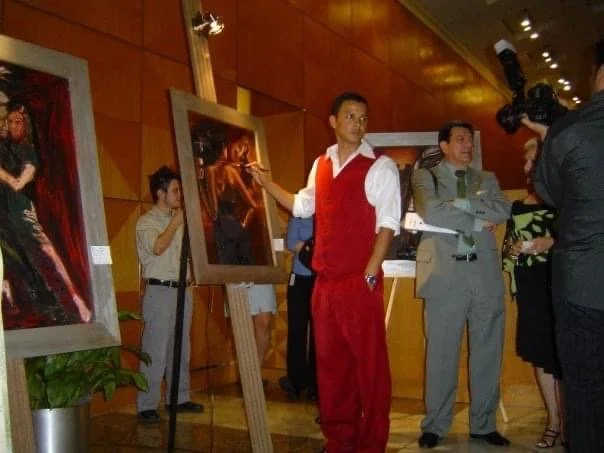
When I arrived in Charlotte on April 1, 2000, I was carrying more than the experience of immigration. I was also navigating loss and trying to rebuild my trust in life.
Soon after arriving, I began working at Coffey & Thompson Gallery, where I learned restoration and framing while continuing to paint. The studio became more than a workplace. Art became a way of processing change, displacement, memory, and the uncertainty of beginning again.
My first exhibition, 100%, featured a series of trees—many suspended in the sky without visible ground.
At the time, those floating trees reflected how I felt:
Uprooted. Suspended. Searching for somewhere to belong.
As the work evolved, so did my understanding of what art could become.
A later series inspired by flamenco brought greater visibility to my work and story, including early media recognition in Charlotte. I began to understand that people were connecting not only with what I created, but with the human experiences behind it.
Art was becoming more than a way to express my own story.
It was becoming a way to connect with others.
“I arrived in Charlotte searching for a place to belong. Through art, I began to understand that home could also be something we create together.”
— Edwin Gil
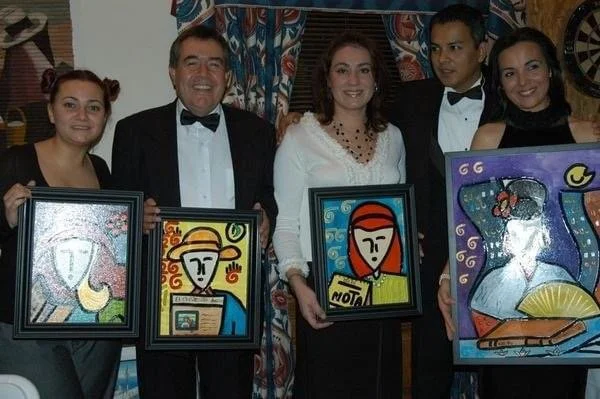
FROM THE CANVAS TO THE COMMUNITY
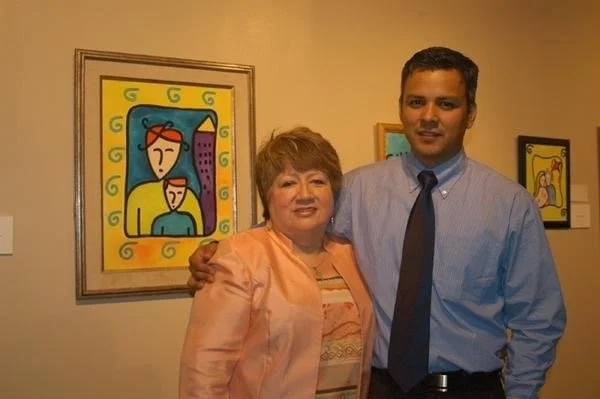
Beginning in the early 2000s, collaboration, performance, and community gradually became part of my artistic practice.
Cultural initiatives brought artists and communities together. Performance projects such as Tango Unido expanded my understanding of art beyond the traditional object, combining visual art, movement, music, fashion, storytelling, and human experience.
I became increasingly interested in conceptual art—not simply in what an artwork looked like, but in the idea behind it and in what could happen when people became part of the experience.
That shift would change my practice.
HOME SWEET HOME
The first marks of a collective story.
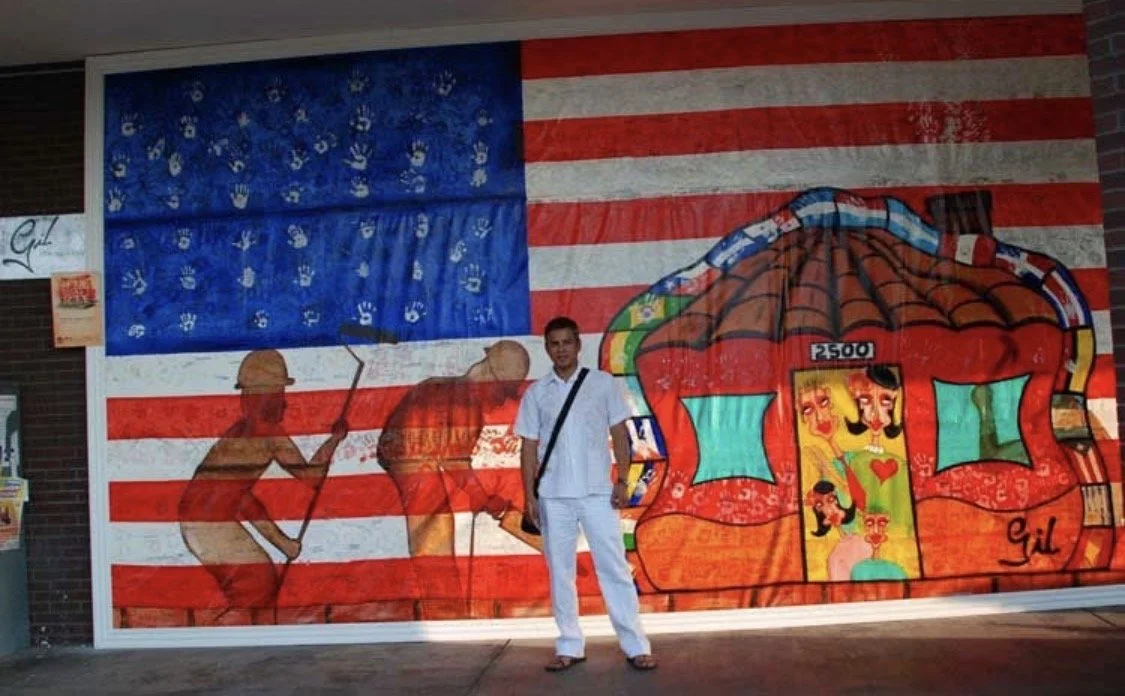
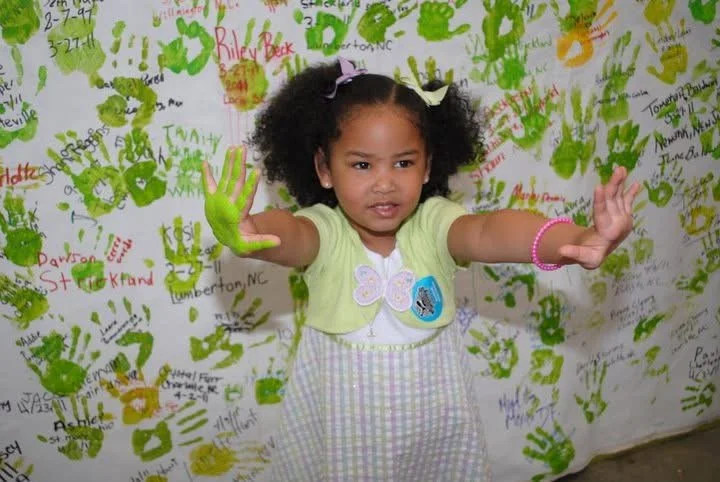
Around 2006, I began developing Home Sweet Home, a participatory artwork created with children from five diverse Charlotte-area schools.
Instead of asking children simply to look at the artwork, I invited them to become part of it.
Their handprints became the material.
Hundreds of individual gestures came together to create one American flag.
For me, the project transformed the question of home.
Home was no longer only about the place I had left or the place where I was trying to belong.
It became something we could create together.
My story was becoming our story.
THE ARTWORK BEGINS TO GROW
Something fundamental had changed.
The artist could create the structure, but the artwork did not have to belong to the artist alone.
Other people could enter it.
They could leave a mark.
They could contribute a story.
They could become part of the work itself.
This idea would continue to grow through increasingly ambitious social and participatory projects.
OUR FLAG, OUR COUNTRY, OUR HOME
Migration, memory, and a shared identity.
After Home Sweet Home, the idea of participation began to travel beyond Charlotte.
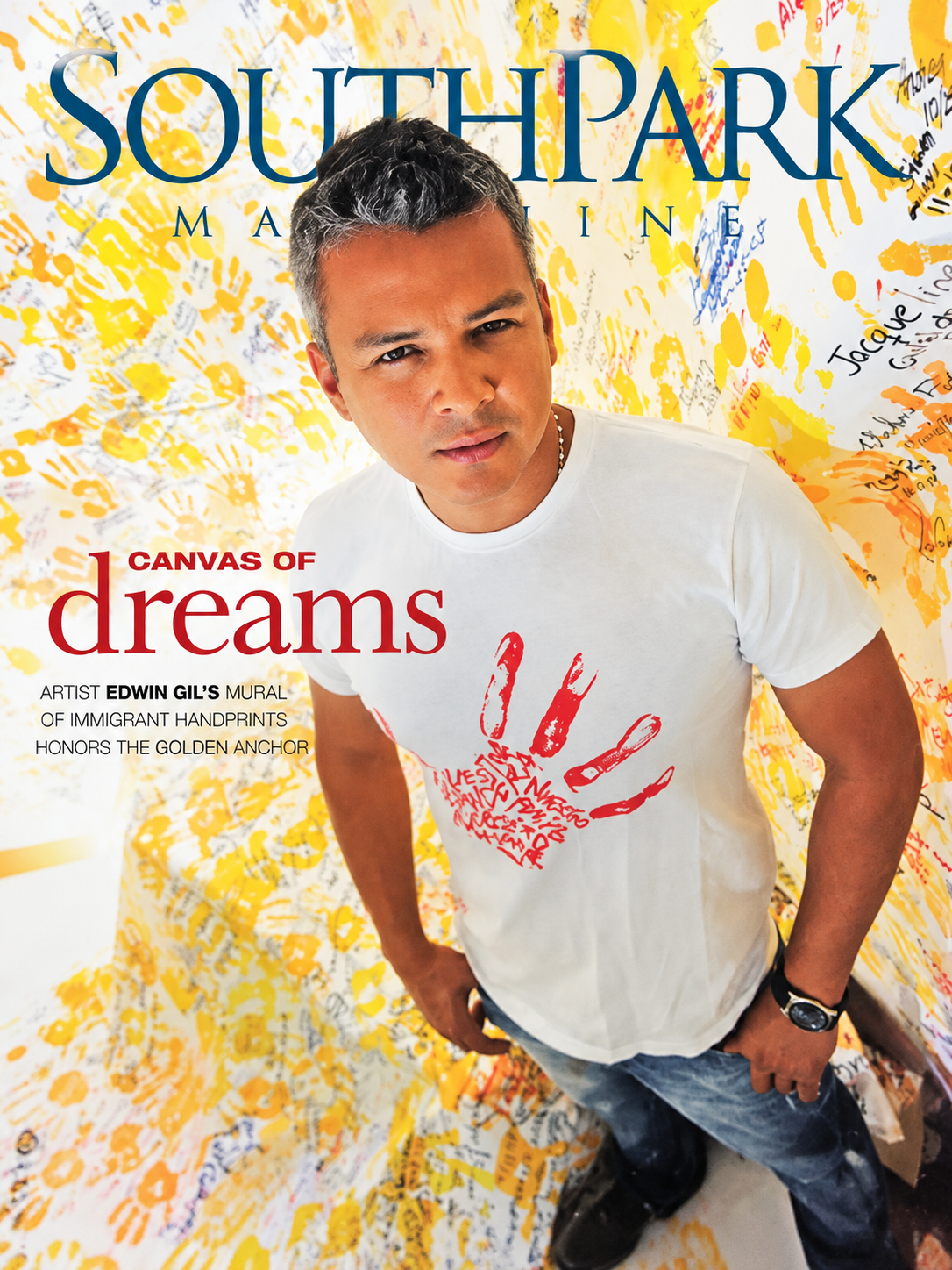
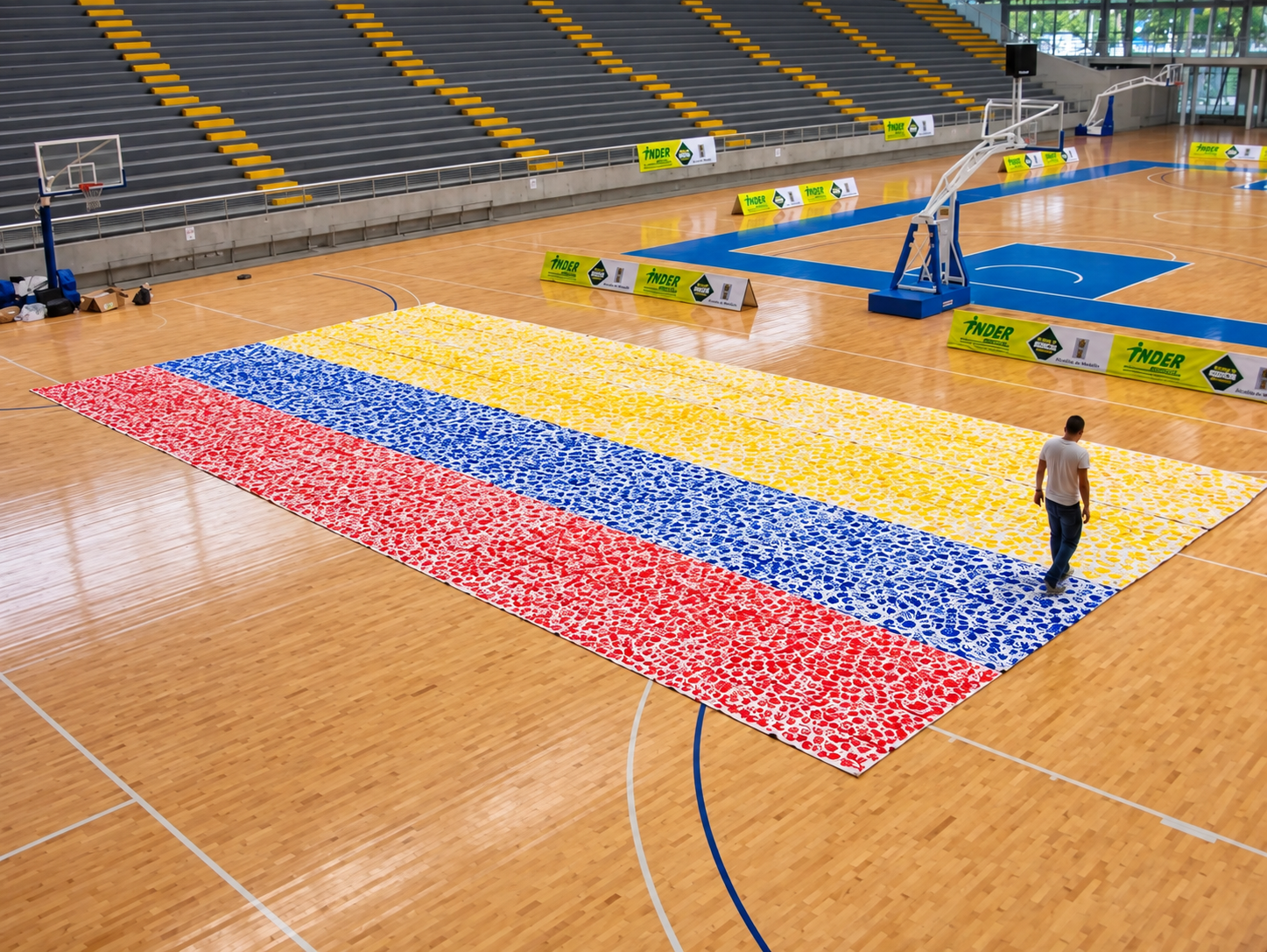
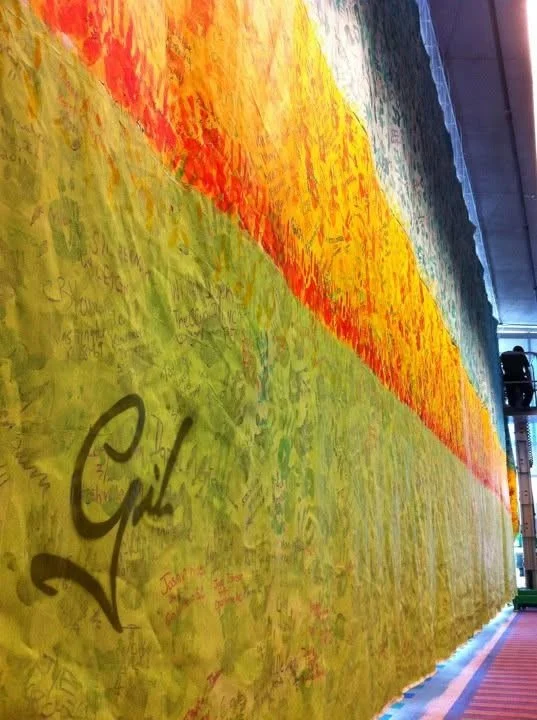
With Our Flag, Our Country, Our Home, I invited Colombians living away from their country to leave their handprints as part of a monumental Colombian flag.
Each handprint represented more than one person.
It carried a story of migration, memory, family, distance, identity, and the complicated meaning of home.
As thousands of individual hands came together, the flag became more than a national symbol. It became a collective portrait of people connected by a shared origin, even while building their lives in different places.
For me, the project also changed the meaning of roots.
I began to understand that leaving a country does not mean leaving behind where we come from.
We carry our roots with us.
And when our individual stories come together, they can create something larger than any one of us.
“We may leave the place where our story began, but we carry pieces of it wherever we go.”
— Edwin Gil
FLAG OF HOPE
From belonging to collective possibility.
After exploring home, migration, and identity through thousands of handprints, my work began to ask a different question:
What can we create when we come together?
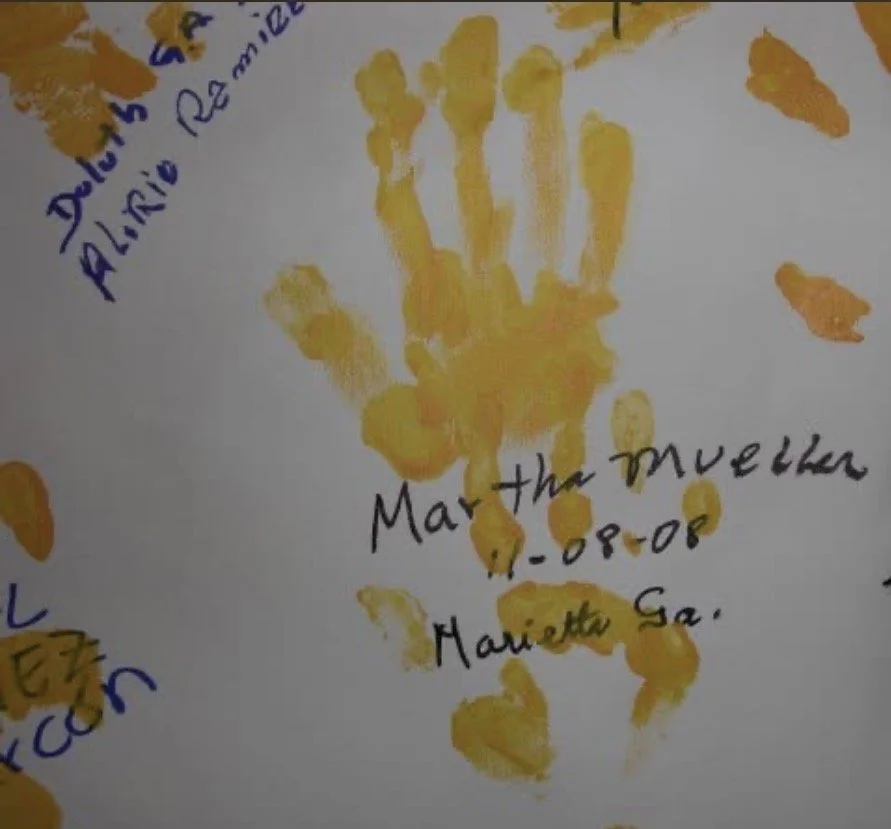
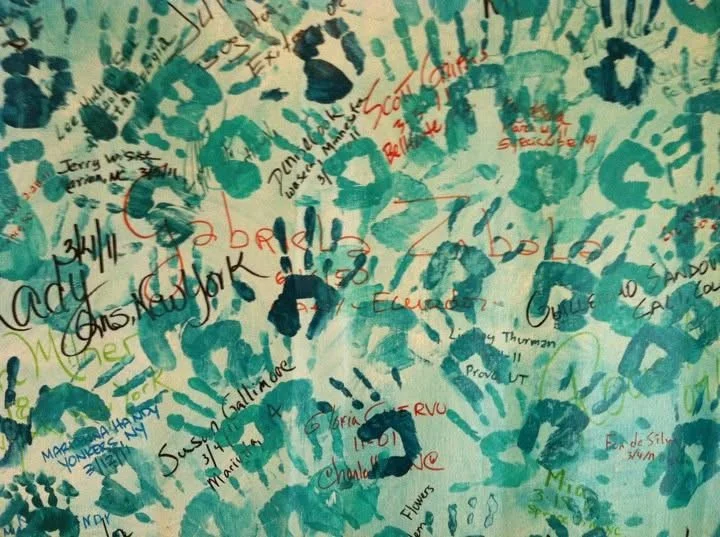
Flag of Hope expanded the idea of participatory art into communities across North Carolina. Once again, the artwork was not created by me alone. People became part of the process, leaving their own marks and transforming individual gestures into a collective expression.
The flag became more than a national symbol. It became a space where different backgrounds, cultures, generations, and experiences could exist together.
Through this project, I began to understand that participation was becoming an essential part of my artistic language. I could create the structure and introduce the question—but the community could help complete the work.
That idea would eventually become fundamental to everything that followed.
Art was no longer only something people looked at.
It was becoming something we created together.
“I began to understand that belonging is not only about finding your place. Sometimes, it is about creating that place together.”
— Edwin Gil
FACES OF DIVERSITY
From individual identity to a collective portrait.
After years of exploring home, migration, and belonging through participatory projects, my work began to focus more closely on the individual.
Who are we? And what happens when thousands of individual identities become part of one image?
Faces of Diversity grew from those questions.
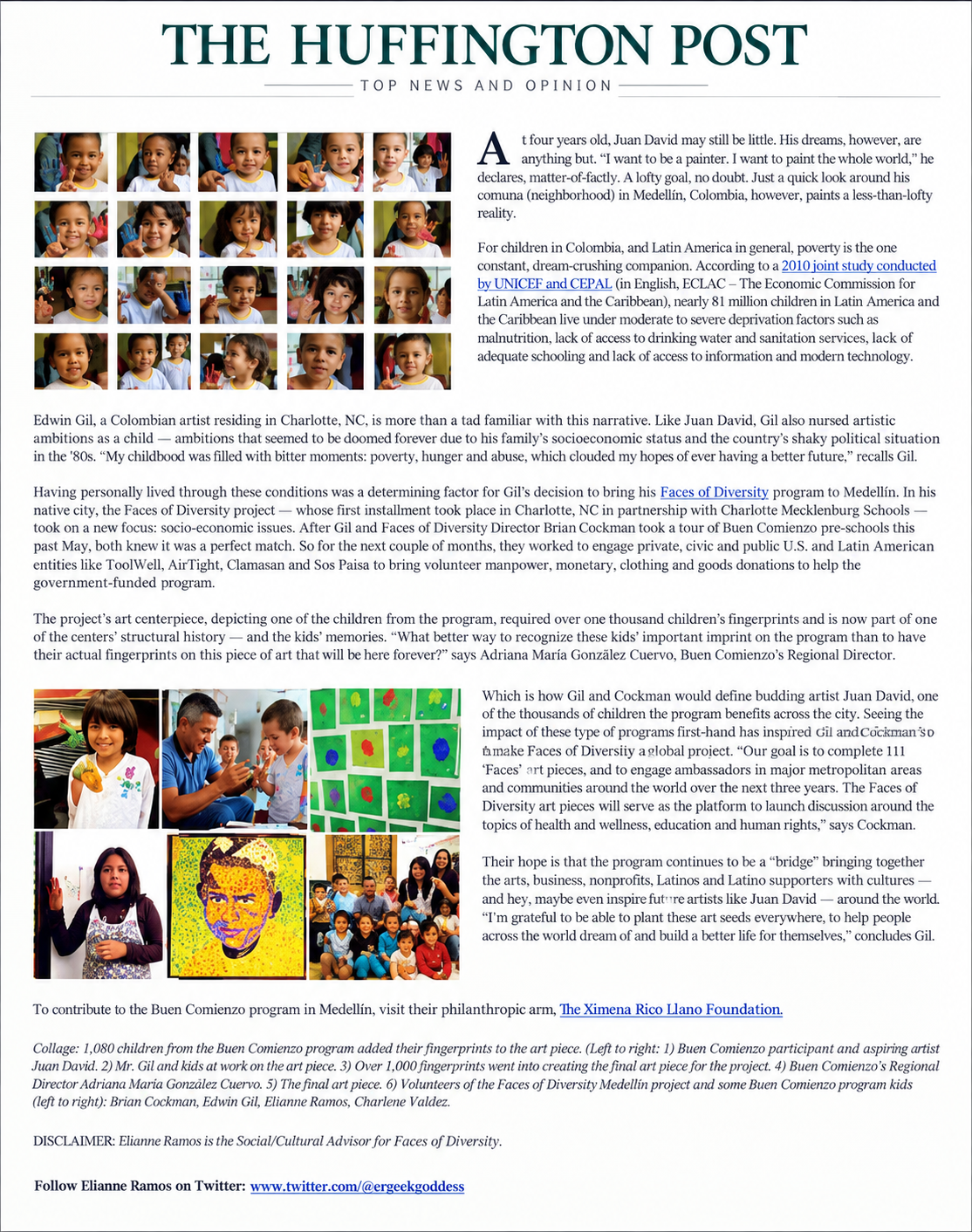
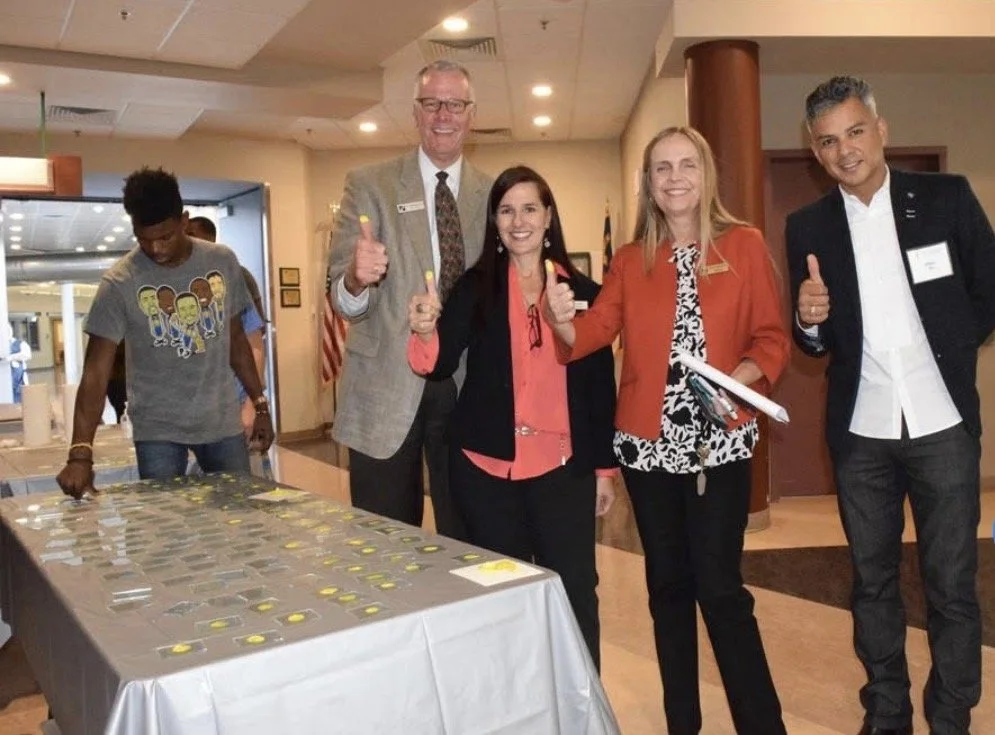
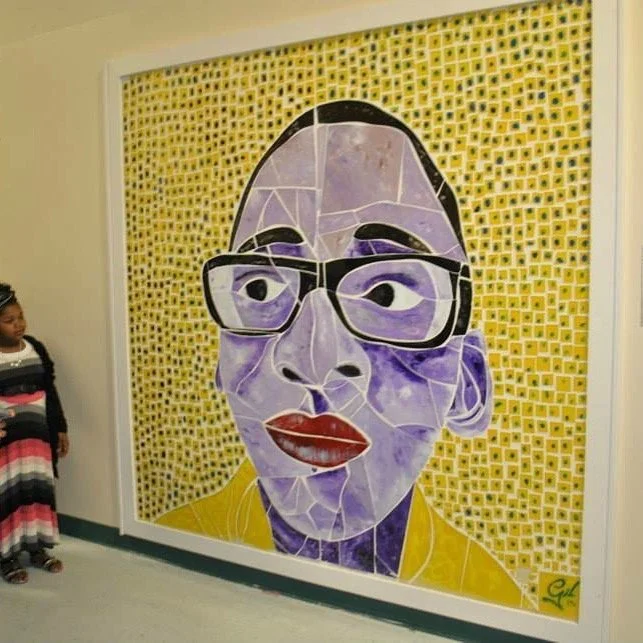
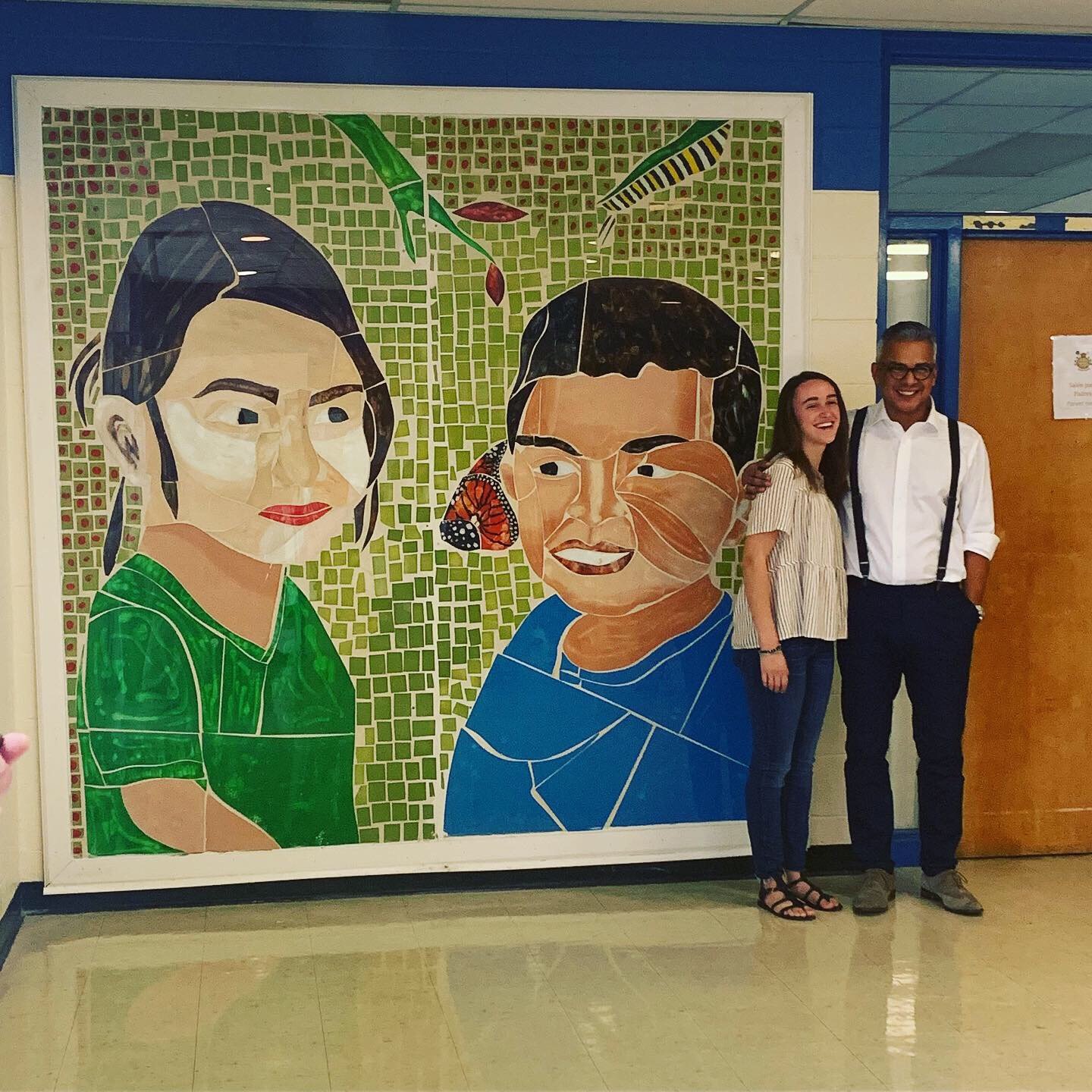
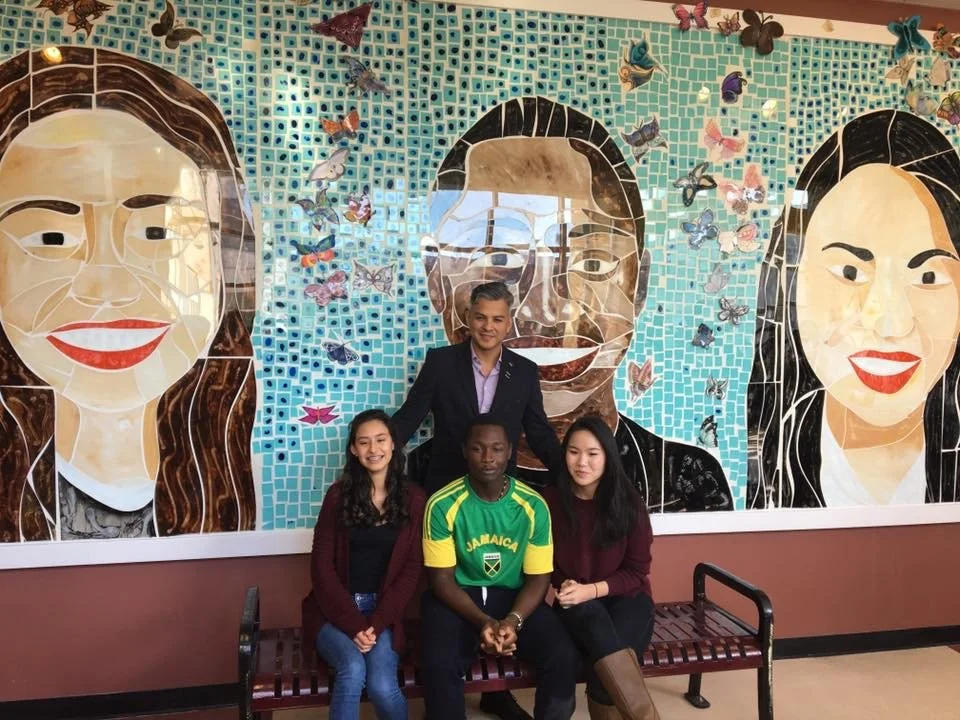
The project used portraits as a way to explore identity, culture, diversity, and human connection. But the faces were only one part of the work. Surrounding them were hundreds—and in some installations thousands—of individual fingerprints contributed by members of the communities where the projects were created.
Each fingerprint was different.
Each belonged to one person.
Together, they became part of something larger.
The project expanded through schools, community organizations, and public spaces, inviting children, families, educators, volunteers, and community members to participate directly in the creation of the artwork.
It also traveled beyond Charlotte. In Medellín, Colombia, Faces of Diversity partnered with the Buen Comienzo program, where more than 1,000 children contributed fingerprints to an artwork depicting one of the children from the program. The project was documented by The Huffington Post.
Over the years, Faces of Diversity developed into an envisioned series of 111 portraits, with more than 50 installations realized, each carrying the physical traces of the people and communities that helped create it.
But the most important part was never the number of portraits.
It was the realization that an individual mark—something as small and personal as a fingerprint—could become part of a much larger human story.
The portrait represented one person.
The fingerprints represented all of us.
“Every fingerprint is different, but when we place them together, they become part of the same story.”
— Edwin Gil
Different faces. Different stories. One human heart.
FROM I TO WE
The artwork became larger as more people became part of it.
Looking back, I can see a transformation taking place across these projects.
My earliest work began with my own experience—migration, loss, memory, identity, and the search for home.
But gradually, more people entered the work.
Children left their handprints.
Communities left their marks.
Thousands of fingerprints became faces.
Students became collaborators.
Audiences became participants.
The artwork was no longer simply something I created for people to see.
It became something we created together.
And somewhere along that journey, I began to understand that the questions I had been asking were not mine alone.
They were human questions.
Questions about where we come from, who we are, what we carry, how we find our voice, how we heal, and where we belong.
“The artwork became larger as more people became part of it.”
— Edwin Gil
THE JOURNEY TURNS INWARD
Healing through practice.
Not every transformation happened through a large public artwork.
Some happened quietly.
Through movement.
Through discipline.
Through repetition.
Through the relationship between body and mind.
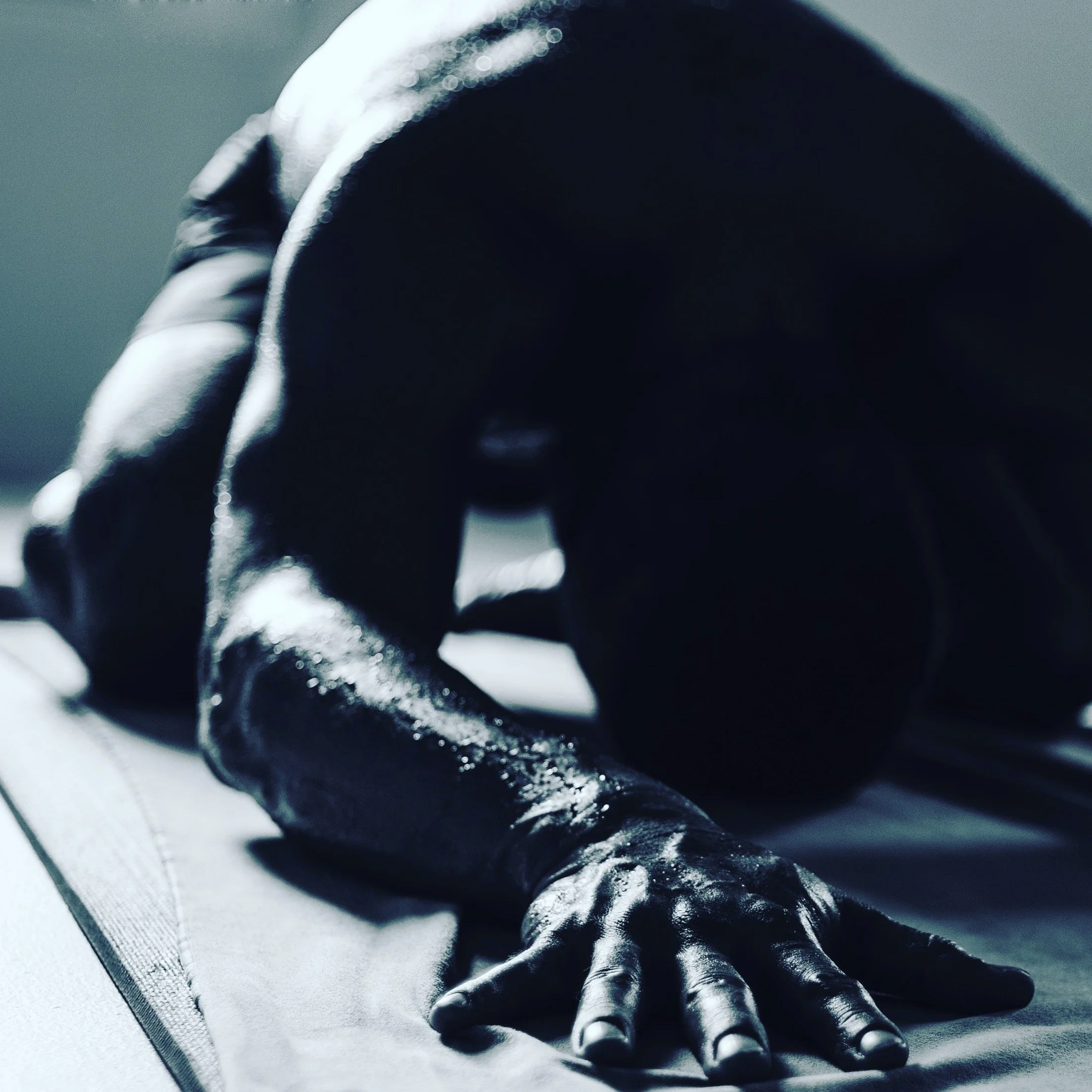
Yoga became an important part of my personal practice and another way of understanding transformation—not as a single moment, but as something that happens gradually through attention, patience, and presence.
After years of creating work that invited others to leave something of themselves behind, I began looking inward again.
What was I carrying?
What needed to change?
What could be released?
Who was I becoming through the process?
I began to understand healing not as returning to who we were before, but as discovering who we can become through what we experience.
Healing was becoming another territory.
THE TERRITORIES WERE THERE
LONG BEFORE THEY HAD NAMES.
TREE → HAND → FLAG → FACE → FINGERPRINT → HEART
The symbols changed.
The materials changed.
The scale changed.
But the questions remained.
Who am I?
Where do I come from?
What do I carry?
How do I find my voice?
How do I heal?
Where do I belong?
2023–2026
THE HEART
The questions finally found a symbol.
In 2023, another period of personal reflection began.
After years of creating work centered on community and participation, I found myself returning to some of the questions that had followed me throughout my life.
This time, writing became part of the process.
Short reflections about patterns, relationships, change, identity, healing, and the experiences we carry gradually began revealing connections between questions I had been exploring for years.
And one symbol kept returning.
THE ANATOMICAL HEART.
Not the romantic heart.
The real heart.
Complex. Imperfect. Vulnerable. Resilient. Essential.
I began to see the heart as a territory—a place capable of carrying memory, culture, identity, wounds, transformation, connection, and belonging.
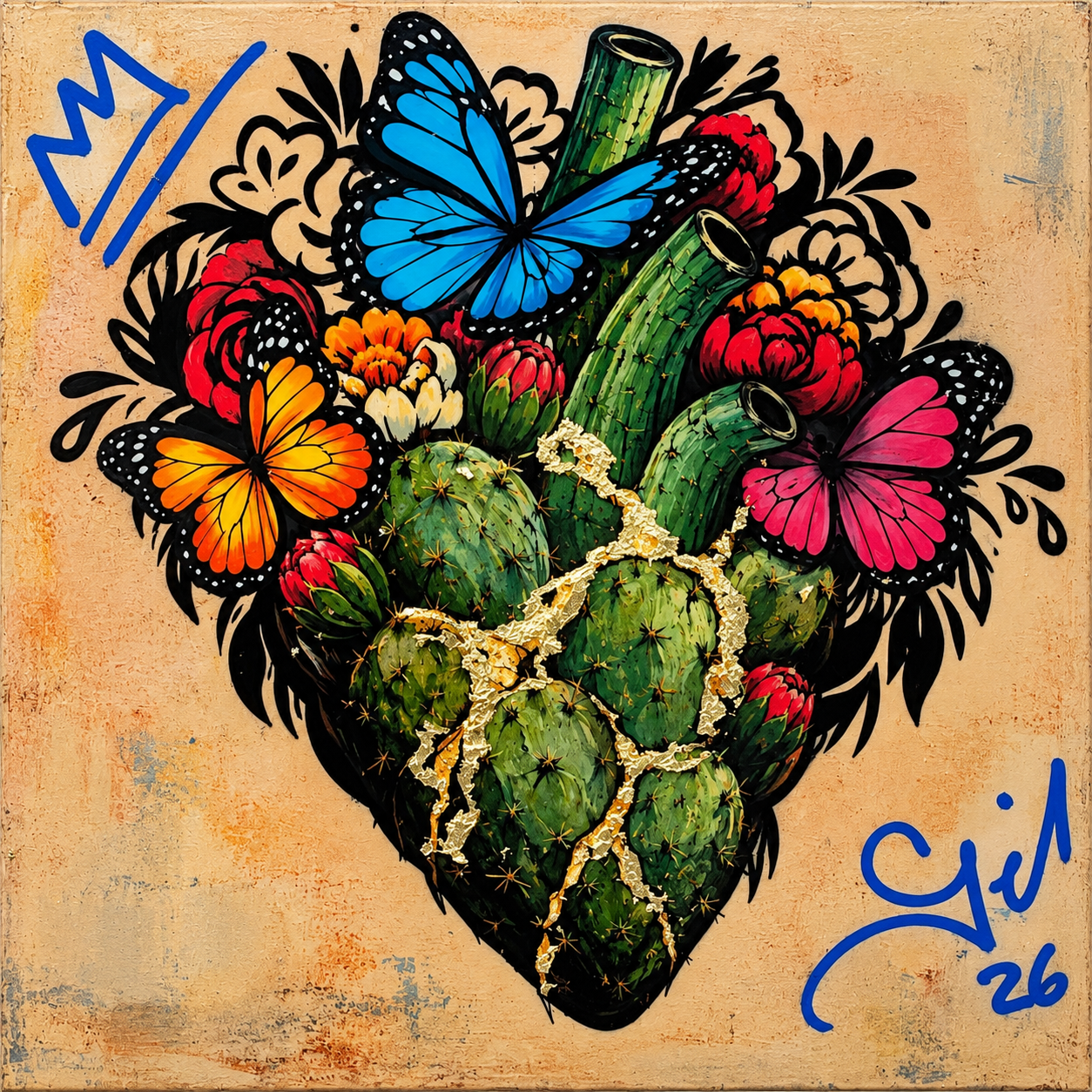
THE HEART SERIES
The Heart Is a Territory to Discover.
The Heart Series did not begin as a departure from my previous work.
It became a place where more than two decades of questions could finally meet.
The floating tree.
The search for home.
The hands.
The flags.
The faces.
The fingerprints.
The communities.
The stories.
The healing.
They had all been leading toward the same territory.
THE HEART.
And within it, five territories became visible:
ROOTS · VOICE · IDENTITY · HEALING · BELONGING
FROM FINGERPRINT TO HEART
Years ago, I invited people to leave something of themselves inside the artwork.
A handprint.
A fingerprint.
A mark.
Today, The Heart Series asks for something different.
A reflection.
A memory.
A question.
A recognition of something within ourselves.
The form of participation has changed.
But the invitation remains.
Enter the work.
Find yourself within it.
Carry something with you when you leave.
THE JOURNEY CONTINUES.
The experience begins in the gallery.
The story continues with you.